


When it comes to selecting a radar level sensor, one crucial factor that often gets overlooked is the material of the container. The container material can significantly impact the performance and accuracy of the radar level sensor. As a radar level sensor supplier, I've encountered numerous situations where the wrong sensor was chosen due to a lack of consideration for the container material. In this blog post, I'll share some insights on how to select the right radar level sensor based on the material of the container.
Understanding the Impact of Container Material on Radar Level Sensors
Radar level sensors work by emitting electromagnetic waves that bounce off the surface of the material in the container and return to the sensor. The time it takes for the waves to travel to the surface and back is used to calculate the level of the material. However, different container materials can affect the way these waves interact with the container and the material inside.
Metal Containers
Metal containers are highly reflective, which can be both an advantage and a challenge for radar level sensors. On one hand, the high reflectivity of metal can result in a strong signal return, making it easier for the sensor to detect the level accurately. On the other hand, metal containers can also cause interference and reflections that may lead to false readings.
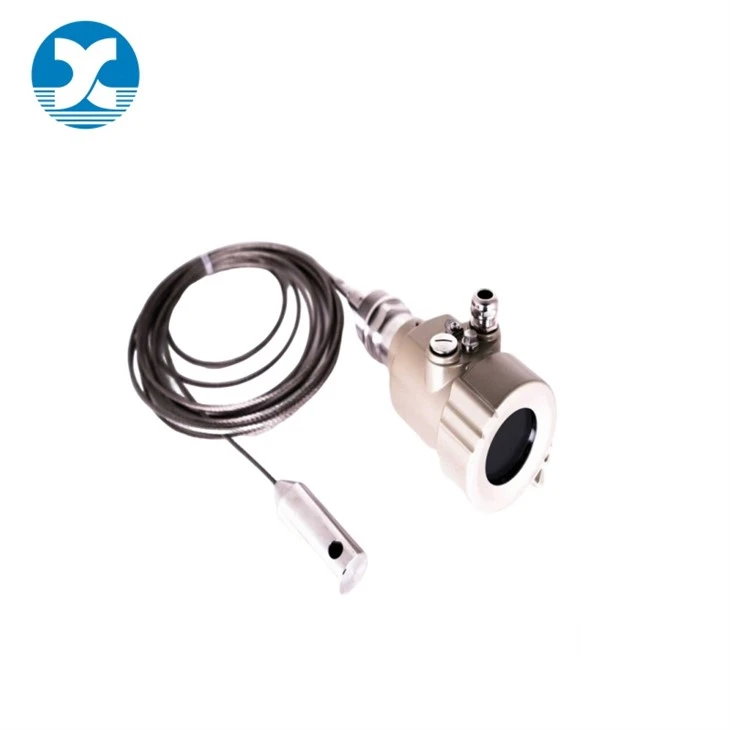
For metal containers, a Guided Wave Radar Level Sensor is often a good choice. This type of sensor uses a probe to guide the radar waves directly to the surface of the material, reducing the impact of reflections from the container walls. The guided wave technology helps to ensure a more accurate measurement, even in the presence of metal structures.
Plastic Containers
Plastic containers are generally less reflective than metal containers, which means that the radar waves may not bounce back as strongly. This can make it more challenging for the sensor to detect the level accurately, especially if the plastic is thick or has a low dielectric constant.
In the case of plastic containers, an 80GHz Radar Level Sensor For Basic Applications can be a suitable option. The higher frequency of the 80GHz radar allows for better penetration through the plastic and a more accurate measurement of the level. Additionally, these sensors are often designed to be more sensitive to weak signals, which can help to compensate for the lower reflectivity of the plastic.
Glass Containers
Glass containers are transparent to radar waves, which means that the waves can pass through the glass without being reflected. This can make it difficult for the sensor to detect the level of the material inside the container.
To overcome this challenge, a Guided Wave Radar Level Sensor Rod Type can be used. The rod-type sensor is inserted directly into the container, allowing the radar waves to travel along the rod and interact with the material. This ensures a more accurate measurement, even in glass containers.
Other Considerations When Selecting a Radar Level Sensor
In addition to the container material, there are several other factors that should be considered when selecting a radar level sensor. These include:
The Type of Material in the Container
The properties of the material in the container, such as its dielectric constant, viscosity, and temperature, can also affect the performance of the radar level sensor. For example, materials with a high dielectric constant will reflect the radar waves more strongly, while materials with a low dielectric constant may require a more sensitive sensor.
The Size and Shape of the Container
The size and shape of the container can also impact the accuracy of the radar level sensor. Larger containers may require a sensor with a longer range, while containers with irregular shapes may require a sensor that can adapt to the shape of the container.
The Environment in Which the Sensor Will Be Used
The environment in which the sensor will be used, such as the temperature, humidity, and presence of dust or other contaminants, can also affect the performance of the radar level sensor. For example, sensors used in high-temperature environments may require special materials or cooling systems to ensure reliable operation.
Conclusion
Selecting the right radar level sensor based on the material of the container is crucial for ensuring accurate and reliable level measurement. By understanding the impact of different container materials on radar level sensors and considering other factors such as the type of material in the container, the size and shape of the container, and the environment in which the sensor will be used, you can make an informed decision and choose the sensor that best meets your needs.
If you're in the market for a radar level sensor and need help selecting the right one for your application, don't hesitate to contact us. Our team of experts is available to provide you with personalized advice and support to ensure that you get the best possible solution for your needs.

References
- "Radar Level Measurement: Principles and Applications" by Peter Schmitt
- "Industrial Radar Level Sensors: A Comprehensive Guide" by John Doe


