


In the dynamic landscape of the chemical industry, the accurate measurement of liquid and solid levels in storage tanks, reactors, and other vessels is of paramount importance. Radar level sensors have emerged as a reliable solution for this purpose, offering high precision, non-contact measurement, and minimal maintenance requirements. However, operating in a chemical environment exposes these sensors to a variety of aggressive substances, making chemical resistance a critical factor in their performance and longevity. As a leading radar level sensor supplier, we understand the significance of chemical resistance and its impact on the functionality of our products.
Understanding Chemical Resistance in Radar Level Sensors
Chemical resistance refers to a material's ability to withstand the corrosive effects of chemicals without significant degradation. In the context of radar level sensors, this means that the sensor's components, including the antenna, housing, and electronics, must be able to resist the chemicals present in the process environment. Failure to do so can result in reduced performance, inaccurate measurements, and even sensor failure, which can lead to costly downtime and potential safety hazards.
The chemical resistance of a radar level sensor depends on several factors, including the type of chemicals present, their concentration, temperature, and pressure. Different chemicals have different corrosive properties, and some may be more aggressive than others. For example, strong acids, alkalis, and oxidizing agents can cause severe damage to many materials, while milder chemicals may have a less significant impact. Additionally, higher temperatures and pressures can accelerate the corrosion process, making it essential to select a sensor that is rated for the specific operating conditions.
Chemical Resistance Requirements for Different Chemicals
Acids
Acids are commonly used in the chemical industry for various processes, such as etching, pickling, and neutralization. Strong acids, such as sulfuric acid, hydrochloric acid, and nitric acid, are highly corrosive and can cause rapid degradation of many materials. When selecting a radar level sensor for an acidic environment, it is important to choose a sensor with an antenna and housing made of materials that are resistant to acid corrosion. For example, PTFE (polytetrafluoroethylene) is a popular choice for its excellent chemical resistance to acids, as well as its low friction and non-stick properties.
Alkalis
Alkalis, such as sodium hydroxide and potassium hydroxide, are also commonly used in the chemical industry for processes such as saponification, neutralization, and cleaning. Like acids, alkalis can be highly corrosive, especially at high concentrations and temperatures. When selecting a radar level sensor for an alkaline environment, it is important to choose a sensor with an antenna and housing made of materials that are resistant to alkali corrosion. For example, stainless steel is a common choice for its good resistance to alkalis, as well as its strength and durability.
Solvents
Solvents are used in the chemical industry for various purposes, such as extraction, cleaning, and dilution. Different solvents have different chemical properties, and some may be more aggressive than others. When selecting a radar level sensor for a solvent environment, it is important to choose a sensor with an antenna and housing made of materials that are resistant to solvent corrosion. For example, PVDF (polyvinylidene fluoride) is a popular choice for its excellent chemical resistance to solvents, as well as its high mechanical strength and thermal stability.
Oxidizing Agents
Oxidizing agents, such as hydrogen peroxide, chlorine, and ozone, are used in the chemical industry for various processes, such as bleaching, disinfection, and oxidation. Oxidizing agents can be highly corrosive and can cause rapid degradation of many materials. When selecting a radar level sensor for an oxidizing environment, it is important to choose a sensor with an antenna and housing made of materials that are resistant to oxidation. For example, titanium is a common choice for its excellent resistance to oxidation, as well as its high strength and low density.
Our Range of Chemical-Resistant Radar Level Sensors
As a radar level sensor supplier, we offer a wide range of sensors that are designed to meet the chemical resistance requirements of different chemical environments. Our sensors are available in various frequencies and configurations, including 80GHz Radar Level Sensor For Basic Applications, 26GHz Radar Level Sensor For Basic Applications, and Guided Wave Radar Level Sensor.
Our 80GHz radar level sensors are ideal for applications that require high precision and accuracy, as well as reliable performance in challenging environments. These sensors offer a narrow beam angle, which allows for accurate measurement even in small tanks or vessels with obstructions. They are also available with a variety of antenna options, including horn antennas, rod antennas, and parabolic antennas, to suit different application requirements.
Our 26GHz radar level sensors are a cost-effective solution for basic level measurement applications. These sensors offer a wider beam angle than 80GHz sensors, making them suitable for larger tanks and vessels. They are also available with a variety of antenna options, including horn antennas and rod antennas, to suit different application requirements.
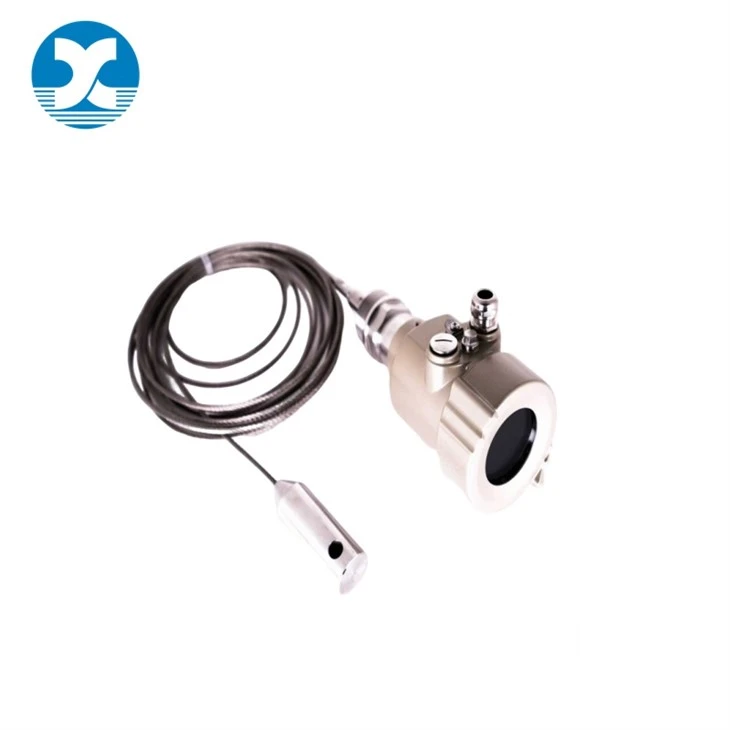
Our guided wave radar level sensors are designed for applications that require accurate measurement of liquids and solids in challenging environments, such as those with foaming, turbulence, or high vapor levels. These sensors use a probe to guide the radar signal to the surface of the material being measured, providing a more accurate and reliable measurement than non-contact radar sensors. They are also available with a variety of probe options, including single rod probes, twin rod probes, and coaxial probes, to suit different application requirements.
Importance of Choosing the Right Radar Level Sensor
Choosing the right radar level sensor for your chemical application is crucial to ensure accurate and reliable measurement, as well as long-term performance and durability. By selecting a sensor that is specifically designed for the chemical environment in which it will be used, you can minimize the risk of corrosion and damage, reduce maintenance requirements, and improve the overall efficiency of your process.
When choosing a radar level sensor, it is important to consider the following factors:
- Chemical compatibility: Ensure that the sensor's components, including the antenna, housing, and electronics, are made of materials that are resistant to the chemicals present in the process environment.
- Operating conditions: Consider the temperature, pressure, and other operating conditions of the process to ensure that the sensor is rated for these conditions.
- Accuracy and reliability: Choose a sensor that offers high accuracy and reliability, as well as a long service life.
- Installation and maintenance: Consider the ease of installation and maintenance of the sensor, as well as the availability of technical support and spare parts.
Conclusion
In conclusion, chemical resistance is a critical factor in the performance and longevity of radar level sensors in the chemical industry. By understanding the chemical resistance requirements for different chemicals and selecting a sensor that is specifically designed for the application, you can ensure accurate and reliable measurement, as well as long-term performance and durability. As a leading radar level sensor supplier, we offer a wide range of sensors that are designed to meet the chemical resistance requirements of different chemical environments. Our sensors are available in various frequencies and configurations, and we can provide expert advice and support to help you choose the right sensor for your application.
If you are looking for a reliable radar level sensor for your chemical application, please contact us to discuss your requirements. Our team of experts will be happy to assist you in selecting the right sensor for your needs and provide you with a competitive quote. We look forward to working with you to ensure the success of your project.

References
- "Chemical Resistance of Materials," Corrosionpedia.
- "Radar Level Measurement in Chemical Industry," Emerson.
- "Selecting the Right Radar Level Sensor for Chemical Applications," Vega.


