


In the realm of industrial automation and process control, accurate level measurement is crucial for ensuring the efficient and safe operation of various systems. Among the many technologies available, 80GHz radar level sensors have emerged as a reliable and versatile solution. As a leading supplier of 80GHz radar level sensors, we understand the importance of these sensors' ability to tolerate diverse environmental conditions. This blog post will explore the environmental conditions that an 80GHz radar level sensor can tolerate, providing insights for industries seeking reliable level measurement solutions.
Temperature Tolerance
One of the primary environmental factors that can affect the performance of a radar level sensor is temperature. Extreme temperatures can cause changes in the physical properties of the sensor components, leading to inaccurate measurements or even sensor failure. Our 80GHz radar level sensors are designed to withstand a wide range of temperatures, making them suitable for use in both hot and cold environments.
In high-temperature applications, such as in the chemical or metal processing industries, our sensors can operate reliably at temperatures up to [X] degrees Celsius. The sensors are equipped with advanced thermal management systems that prevent overheating and ensure stable performance. Additionally, the use of high-quality materials and components that are resistant to thermal expansion and contraction helps to maintain the accuracy of the measurements even in extreme heat.
Conversely, in cold environments, such as in refrigerated warehouses or outdoor storage tanks in winter, our sensors can function effectively at temperatures as low as [X] degrees Celsius. Special insulation and heating mechanisms are incorporated into the sensor design to prevent the formation of ice and frost, which could interfere with the radar signal. These features ensure that the sensor can provide accurate level measurements even in freezing conditions.
Humidity and Moisture Resistance
Humidity and moisture are common environmental challenges in many industrial settings, particularly in areas with high levels of water vapor or where the sensor is exposed to direct contact with liquids. Our 80GHz radar level sensors are engineered to be highly resistant to humidity and moisture, ensuring reliable operation in such conditions.

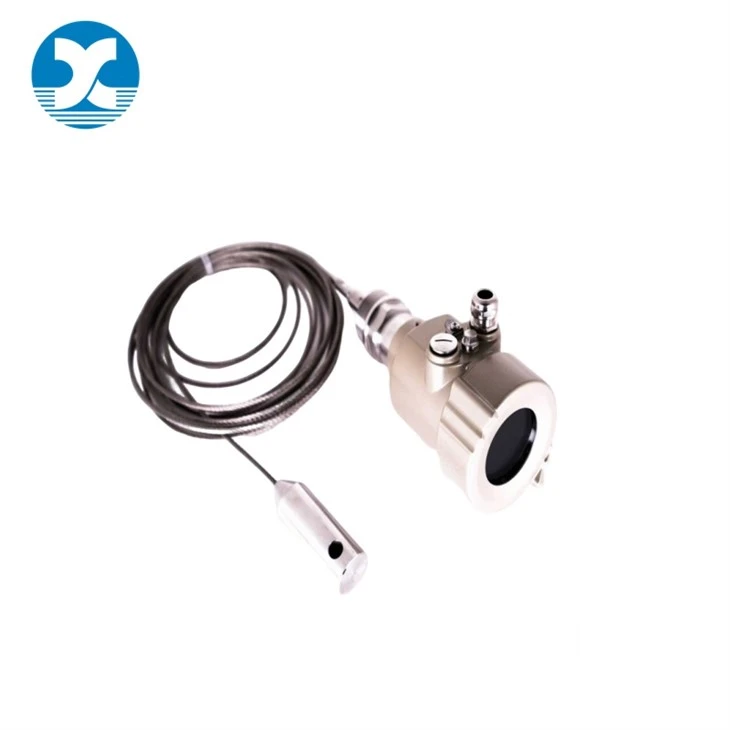
The sensors are enclosed in a robust and waterproof housing that protects the internal components from moisture ingress. The housing is made of materials that are resistant to corrosion and can withstand prolonged exposure to water. Additionally, the radar antenna is designed to be self-cleaning, preventing the accumulation of water droplets or condensation that could affect the radar signal.
In applications where the sensor is exposed to splashing water or high-pressure washdowns, such as in the food and beverage or pharmaceutical industries, we offer sensors with enhanced protection. These sensors are IP-rated to ensure maximum protection against water and dust ingress, making them suitable for use in wet and dirty environments.
Pressure Resistance
In industrial processes, the level of a liquid or material is often measured in vessels or pipelines that are subject to high pressure. Our 80GHz radar level sensors are designed to withstand high pressures, ensuring accurate and reliable measurements in these applications.
The sensors are built with a sturdy construction and high-strength materials that can withstand pressures up to [X] bar. The design of the sensor also takes into account the effects of pressure on the radar signal, ensuring that the measurements are not affected by changes in pressure. Additionally, the sensors are tested under simulated high-pressure conditions to ensure their performance and reliability.
Dust and Particle Resistance
In many industrial environments, such as in the mining, cement, or powder processing industries, the presence of dust and particles can pose a challenge to the performance of radar level sensors. Our 80GHz radar level sensors are designed to be highly resistant to dust and particles, ensuring accurate and reliable measurements even in dusty conditions.
The sensors are equipped with a special dust-proof and particle-resistant coating on the radar antenna, which prevents the accumulation of dust and particles. The coating also helps to maintain the integrity of the radar signal, ensuring that the measurements are not affected by the presence of dust or particles. Additionally, the sensors are designed to operate in a pulsed radar mode, which reduces the interference caused by dust and particles.
Chemical Resistance
In some industrial applications, the level of a liquid or material is measured in the presence of corrosive chemicals. Our 80GHz radar level sensors are available with a variety of antenna materials and coatings that are resistant to different types of chemicals, ensuring reliable operation in these applications.
For applications involving corrosive liquids, we offer 26GHz Radar Level Sensor For Corrosive Liquids with antennas made of materials such as stainless steel, PTFE, or ceramic, which are highly resistant to corrosion. The sensors are also available with special coatings that provide additional protection against chemical attack.
In hygienic processes, such as in the food and beverage or pharmaceutical industries, we offer 80GHz Radar Level Sensor For Hygienic Processes with antennas made of materials that are compliant with food-grade and pharmaceutical standards. These sensors are designed to be easy to clean and sanitize, ensuring that they meet the strict hygiene requirements of these industries.
Vibration and Shock Resistance
In industrial settings, radar level sensors may be subject to vibration and shock, which can affect their performance and reliability. Our 80GHz radar level sensors are designed to be highly resistant to vibration and shock, ensuring accurate and stable measurements even in challenging environments.
The sensors are built with a rugged construction and advanced mounting systems that minimize the effects of vibration and shock. The internal components of the sensor are also secured and protected to prevent damage from mechanical vibrations. Additionally, the sensors are tested under simulated vibration and shock conditions to ensure their performance and reliability.
EMI and RFI Immunity
Electromagnetic interference (EMI) and radio frequency interference (RFI) can disrupt the radar signal and affect the accuracy of the measurements. Our 80GHz radar level sensors are designed to be highly immune to EMI and RFI, ensuring reliable operation in environments with high levels of electromagnetic noise.
The sensors are equipped with advanced shielding and filtering techniques that protect the internal components from EMI and RFI. The radar signal is also modulated and encoded to reduce the interference caused by electromagnetic noise. Additionally, the sensors are tested under simulated EMI and RFI conditions to ensure their performance and reliability.
Conclusion
As a supplier of 80GHz radar level sensors, we understand the importance of providing sensors that can tolerate a wide range of environmental conditions. Our sensors are designed and tested to ensure reliable operation in extreme temperatures, high humidity, high pressure, dusty environments, corrosive chemicals, vibration, shock, and electromagnetic noise. Whether you are in the chemical, food and beverage, pharmaceutical, mining, or any other industry, our 80GHz radar level sensors can provide accurate and reliable level measurements for your applications.
If you are in need of a reliable level measurement solution, we invite you to contact us for a consultation. Our team of experts can help you select the right sensor for your specific requirements and provide you with the support and service you need to ensure the success of your project.
References
- [Name of relevant industry standard or specification]
- [Research paper on radar level sensor performance in different environmental conditions]
- [Technical documentation of our 80GHz radar level sensors]


