What Are the Common Application Scenarios for Radar Level Gauges?
If you are sourcing industrial instruments or working in plant automation, you must have heard of radar level gauges.
Many factory engineers and purchasing managers prefer to replace traditional level measuring devices with radar level gauges these years. But a lot of people still ask: where exactly can radar level gauges be used? What kind of working conditions are they really suitable for?
Unlike ultrasonic level meters or float level gauges, radar level gauges adopt non-contact microwave measurement. They are hardly affected by high temperature, high pressure, dust, steam, foam and corrosive media. That's why they can fit almost all tough industrial measurement scenarios. Let's talk about the real practical applications one by one.
Oil and Gas Industry
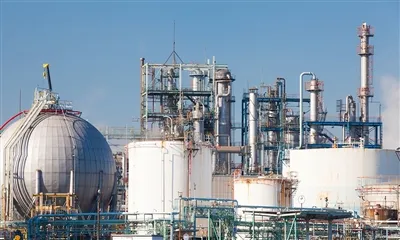
The oil and gas field is one of the biggest end users of radar level gauges.
Crude oil tanks, diesel and gasoline storage containers are all filled with flammable and volatile media, which require strict explosion-proof performance. Installing radar level gauges here can monitor liquid levels 24 hours a day without touching the medium. Even with tank internal obstacles or surface volatile gas, the measurement data stays stable and accurate.
For LNG ultra-low temperature storage and refinery reactors, separators and fractionation tanks, ordinary sensors often fail easily. Radar level gauges work perfectly through strong steam and thick foam, offering reliable data for production control and site safety.
Chemical Industry
Chemical plants always deal with corrosive acid, alkali, chemical solvent and high-viscosity raw materials.
Contact type level gauges are easy to get corroded, stuck or damaged, leading to frequent replacement and extra maintenance cost. That's why more chemical plants choose radar level gauges. With corrosion-resistant antenna design, they adapt to all kinds of chemical storage tanks perfectly.
For high-viscosity media like heavy oil and polymer materials, guided wave radar level gauges avoid adhesion and blockage, a problem that ultrasonic gauges can never solve. In chemical reaction kettles with frequent temperature and pressure changes, radar level measurement still keeps high precision all the time.
Water & Wastewater Treatment
Water treatment plants, sewage stations and municipal drainage projects are classic difficult scenarios for level measurement.
Sewage pools usually have heavy foam, suspended solids and humid air, which always cause data drift for ultrasonic sensors. In contrast, radar level gauges are not disturbed by foam, water ripples or humidity at all.
They are widely installed in clean water reservoirs, sewage regulating tanks, sludge tanks and sedimentation tanks. For open channel water level monitoring and urban flood control projects, radar level gauges also support unattended real-time monitoring, saving lots of labor and management cost.
Power Plant Industry
Thermal power, biomass power and new energy power plants are typical high-dust and high-temperature working sites.
Boiler steam drum level measurement is directly related to power plant operation safety. Radar level gauges run steadily under high temperature and pressure, effectively preventing dry burning or liquid overflow risks.
Besides, they are commonly used in fly ash silos, desulfurization slurry tanks and coal raw material bins. Even in heavy dust environments, radar level gauges can capture accurate solid and slurry level data, improving the overall automation level of the power plant.
Food & Beverage Industry
The food and beverage industry has very high requirements on hygiene and pollution control.
Sanitary-type radar level gauges are the ideal choice for brewing fermentation tanks, dairy storage tanks, juice and syrup processing containers. The food-grade polished stainless steel antenna leaves no sanitary dead angle, avoiding any contamination risk. It also works well with steam and foam generated during fermentation.
In grain, flour and sugar silos, radar level gauges easily handle dusty environments and help factories do precise inventory management.
Metallurgy & Cement Industry
Cement plants and metallurgical workshops are full of dust all year round, and most measured materials are bulk solids like coal, limestone and cement clinker.
Traditional level instruments are easily covered by dust and lose accuracy. Radar level gauges have strong signal penetration, reading material level accurately in real time. They effectively prevent warehouse overflow, material shortage and production shutdown, and optimize the whole batching and production process.
Wrap Up
To sum up, radar level gauges are widely applied in oil & gas, chemical, water treatment, power, food, metallurgy and cement industries.
With non-contact design, strong environmental adaptability, high precision and low maintenance, radar level gauges have gradually become the mainstream choice for industrial level measurement.
If you are looking for reliable radar level gauges for your project or bulk procurement, feel free to contact us. We can offer professional selection guidance and competitive factory prices according to your actual working conditions.