


Hey there! As a supplier of magnetic level gauges, I've seen firsthand how crucial it is to ensure their long - term stability. A reliable magnetic level gauge is essential for accurate level measurement in various industrial applications, from chemical processing to oil and gas. In this blog, I'll share some tips and tricks on how to keep your magnetic level gauge performing well over time.
Understanding the Basics of Magnetic Level Gauges
Before we dive into the stability aspects, let's quickly go over what a magnetic level gauge is. It's a device that uses a float with a magnet inside a chamber to indicate the liquid level. The float rises and falls with the liquid, and the magnetic field interacts with external indicators, allowing operators to see the level without direct contact with the liquid.
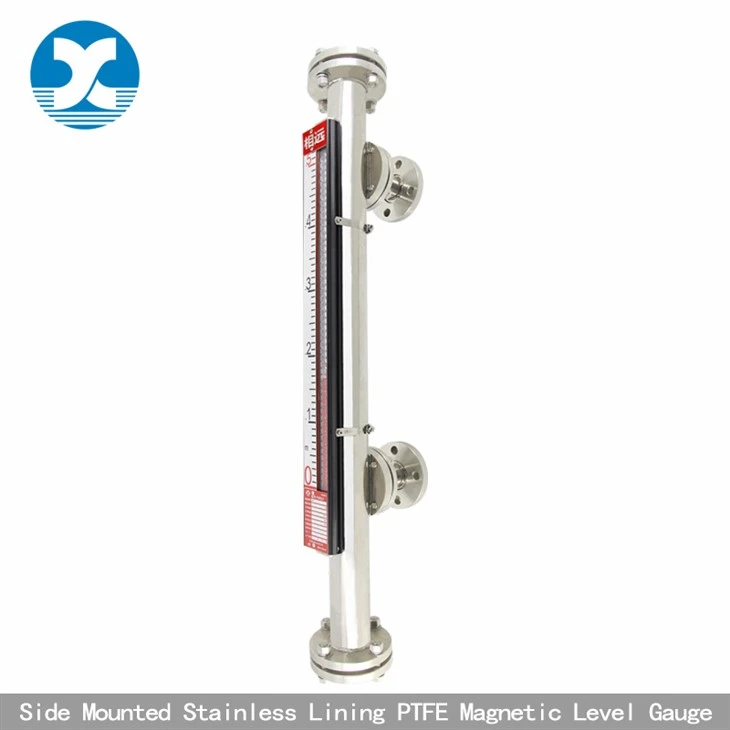
There are different types of magnetic level gauges, each suited for specific applications. For example, the Side Mounted Magnetic Level Gauge is commonly used for horizontal tanks. It's easy to install and provides a clear view of the liquid level. On the other hand, the Steam/Hot Water/Vacuum Jacketed Magnetic Level Gauge is designed for applications where temperature control is critical. And the Top Mounted Magnetic Level Gauge is great for vertical tanks, offering a convenient way to measure the level from the top.
Proper Installation
The first step in ensuring long - term stability is proper installation. A poorly installed magnetic level gauge can lead to inaccurate readings and premature failure. Here are some key points to keep in mind during installation:
- Location: Choose a location that is easily accessible for maintenance and inspection. Avoid areas with excessive vibration, as this can affect the float's movement and the accuracy of the gauge.
- Alignment: Make sure the gauge is perfectly vertical. Even a slight tilt can cause the float to stick or move unevenly, leading to inaccurate level readings.
- Connection: Ensure all connections are tight and leak - free. Loose connections can allow the liquid to escape, which not only affects the level measurement but can also be a safety hazard.
Regular Maintenance
Regular maintenance is the key to keeping your magnetic level gauge in top shape. Here are some maintenance tasks you should perform:
- Cleaning: Over time, dirt, debris, and contaminants can accumulate inside the gauge chamber. This can interfere with the float's movement and the magnetic field. Clean the chamber regularly using a suitable cleaning agent, following the manufacturer's instructions.
- Inspection: Check the float, magnet, and external indicators for signs of wear or damage. Replace any worn - out parts immediately to prevent further problems. Also, inspect the seals and gaskets for leaks and replace them if necessary.
- Calibration: Periodically calibrate the gauge to ensure accurate readings. Calibration may be affected by factors such as temperature, pressure, and the properties of the liquid being measured. Follow the calibration procedure provided by the manufacturer.
Environmental Considerations
The environment in which the magnetic level gauge operates can have a significant impact on its stability. Here are some environmental factors to consider:
- Temperature: Extreme temperatures can affect the performance of the magnet and the float. High temperatures can cause the magnet to lose its magnetic properties, while low temperatures can make the liquid more viscous, affecting the float's movement. If your application involves extreme temperatures, consider using a Steam/Hot Water/Vacuum Jacketed Magnetic Level Gauge to maintain a stable temperature.
- Pressure: High pressure can put stress on the gauge chamber and components. Make sure the gauge is rated for the pressure of your application. If necessary, use a pressure - resistant model.
- Corrosion: If the liquid being measured is corrosive, it can damage the gauge chamber, float, and other components. Choose a magnetic level gauge made of corrosion - resistant materials, such as stainless steel or plastic.
Monitoring and Troubleshooting
Continuous monitoring of the magnetic level gauge can help you detect problems early and take corrective action. Here are some monitoring and troubleshooting tips:
- Visual Inspection: Regularly check the external indicators for any abnormal readings or behavior. If the level seems to be fluctuating erratically or not changing as expected, there may be a problem with the gauge.
- Diagnostic Tools: Use diagnostic tools, such as magnetic field sensors, to check the strength of the magnetic field and the movement of the float. These tools can help you identify issues such as a weak magnet or a stuck float.
- Troubleshooting Guide: Keep a troubleshooting guide handy and follow it when you encounter problems. The guide should provide step - by - step instructions on how to diagnose and fix common issues.
Training and Education
Proper training and education of the operators and maintenance personnel are essential for ensuring the long - term stability of the magnetic level gauge. Here's why:
- Correct Operation: Operators need to know how to operate the gauge correctly to avoid damage and ensure accurate readings. Training should cover topics such as installation, calibration, and normal operation.
- Maintenance Skills: Maintenance personnel should be trained in maintenance procedures, including cleaning, inspection, and replacement of parts. They should also be familiar with the troubleshooting guide.
Conclusion
Ensuring the long - term stability of a magnetic level gauge requires a combination of proper installation, regular maintenance, environmental consideration, monitoring, and training. By following these tips, you can keep your magnetic level gauge performing well for years to come.
If you're in the market for a high - quality magnetic level gauge or need more information on how to ensure its long - term stability, don't hesitate to reach out. We're here to help you find the right solution for your application and provide you with the support you need.

References
- Manufacturer's installation and maintenance manuals for magnetic level gauges.
- Industry standards and guidelines for level measurement.
- Technical articles on magnetic level gauge technology.


