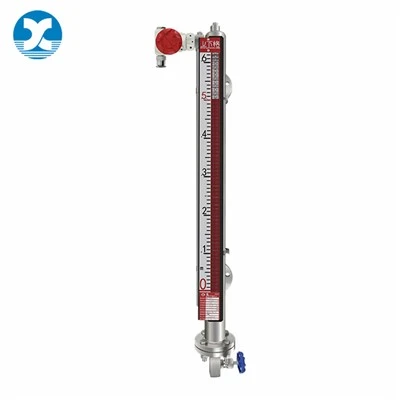
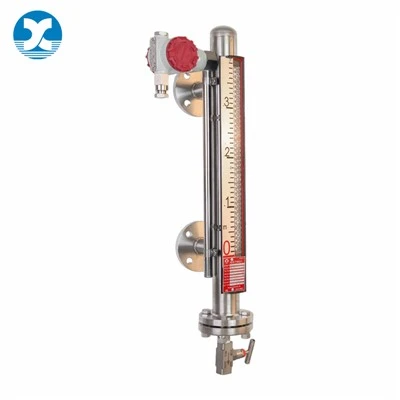
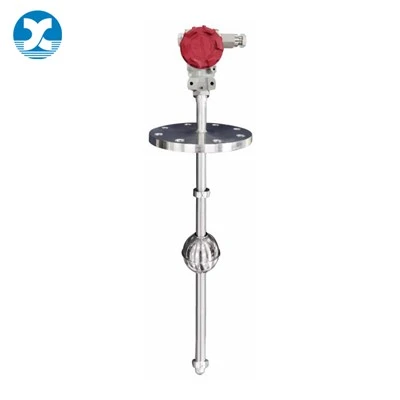
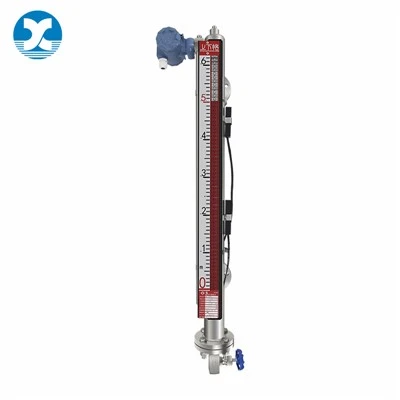
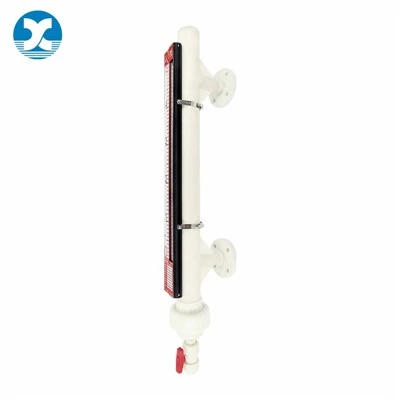
After years of supporting industrial clients across chemical, energy and manufacturing sectors with level measurement solutions, one trend stands out clearly: more and more plants are replacing old glass sight glasses with magnetic flapper level gauges for their storage tanks. This shift is rarely driven by novelty - it almost always traces back to repeated safety scares, high maintenance costs, or persistent reading errors from older technologies.
For facilities storing pressurized, flammable or corrosive liquids, the choice of level gauge is not just an operational detail - it directly impacts site safety, maintenance workload and long-term operating costs. Magnetic level gauges solve many of the core flaws of glass tube and float gauges, while retaining the simplicity and reliability that makes mechanical level instruments a staple of industrial facilities.
This guide breaks down the practical advantages of magnetic level gauges for industrial storage applications, where they deliver the strongest return on investment, and what to watch for during specification to get the best long-term performance.
Core Design That Sets Magnetic Gauges Apart
Before diving into benefits, it helps to understand the simple but effective design behind magnetic level gauges. The entire system builds on two basic physical principles: buoyancy and magnetic coupling.
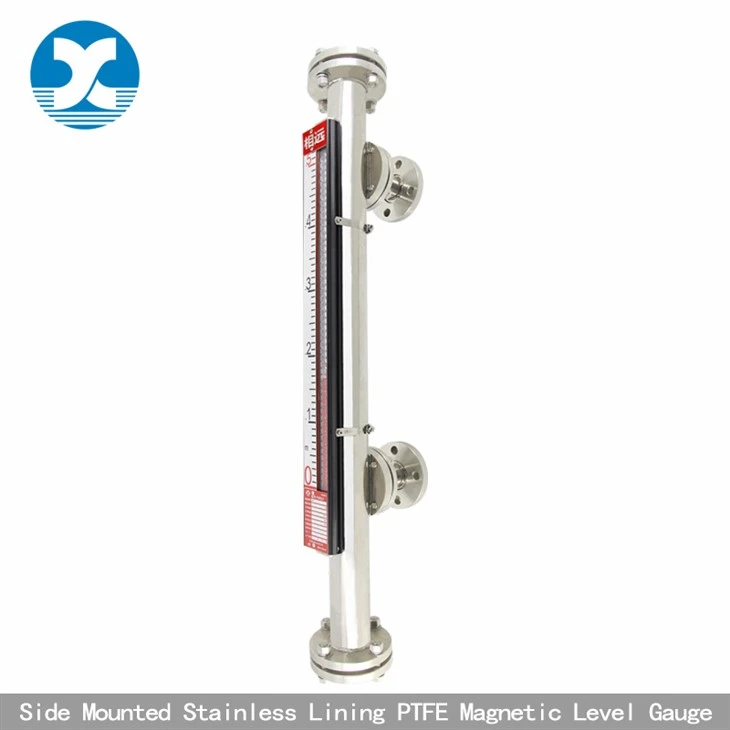
A sealed metal chamber - also called a bypass chamber - mounts to the side of the tank and connects via upper and lower process nozzles. Liquid flows freely between the tank and the chamber, so the liquid level inside always matches the tank level, following the communicating vessels principle. Inside the chamber, a hollow magnetic float rides on the liquid surface and moves up and down as the level changes.
Outside the chamber, a row of small dual-color magnetic flappers runs parallel to the tube. As the float moves, its internal magnetic field passes through the metal wall and rotates each flapper by 180 degrees. Flappers below the liquid level show one color (typically red), and those above show another (typically white or silver). The sharp color boundary marks the exact liquid level.
This fully sealed, non-contact display design is the root of almost every advantage magnetic gauges hold over traditional glass sight glasses. There is no glass in the pressure boundary, no seals along the display path, and no direct contact between the indicator and the process fluid.
Key Advantages for Industrial Storage Tank Applications
1. Enhanced Safety for Hazardous & Pressurized Media
Safety is the top driver for facilities upgrading from glass sight glasses to magnetic level gauges.
Traditional glass tube and reflex sight glasses rely on glass as part of the pressure boundary. Even heavy-duty borosilicate glass can shatter from thermal shock, sudden pressure spikes, or accidental impact from maintenance tools. On tanks holding flammable solvents, toxic chemicals or pressurized LPG, a broken sight glass does not just cause a small leak - it can trigger chemical exposure, fire hazards and unplanned site evacuations.
Magnetic gauges eliminate this risk at the source. The entire process side is contained within a solid metal pressure vessel built to ASME B31.3 process piping standards. The external indicator assembly never touches the process fluid, and even a severe impact to the flapper rail will not breach the pressure boundary. For hazardous and pressurized storage tanks, this is not a minor upgrade - it is a meaningful reduction in personnel and environmental risk.
On top of that, the all-mechanical indicator runs entirely without power. This makes it suitable for hazardous explosive areas, with no separate certification required for the basic display function.
2. Minimal Maintenance & Extended Service Life
Glass sight glasses seem inexpensive on day one, but ongoing maintenance costs add up quickly over their service life.
Glass surfaces scratch, cloud over and build up mineral scale with time, especially with mineral-heavy or slightly dirty liquids. Most plants end up cleaning glass tubes every one to three months, and replacing the full glass assembly every one to three years as the glass becomes unreadable or develops micro-cracks. Sealing gaskets at both ends also degrade with temperature cycling and chemical exposure, requiring regular replacement to stop weeping and leaks.
Magnetic level gauges require almost no routine maintenance by comparison. There is no glass to clean, polish or replace, and no exposed seals along the display section. For clean liquid applications, maintenance consists of wiping down the external indicator face once or twice a year, and flushing the chamber via the bottom drain valve every six to twelve months to remove settled sediment.
From client field data, a properly specified magnetic level gauge will run reliably for 10 to 15 years with no major replacement parts needed. That translates to roughly an 80% reduction in annual maintenance labor compared with glass sight glasses.
3. Reliable Performance in Harsh Process Conditions
Many electronic level measurement technologies struggle with the challenging conditions inside industrial storage tanks. Magnetic gauges do not.
Unlike ultrasonic or radar sensors, magnetic level readings are completely unaffected by foam, vapor, steam, surface turbulence or dust inside the tank. The float follows the actual liquid surface directly, and the magnetic coupling works consistently regardless of what is happening above the liquid. This makes them exceptionally dependable for applications where non-contact sensors produce erratic readings.
They also cover an extremely wide operating envelope. Standard stainless steel models handle pressures from full vacuum up to 250 bar and temperatures from -40°C up to 450°C. With custom alloy builds, they can even serve cryogenic applications down to -200°C. This range far exceeds the limits of glass sight glasses, which quickly become unsafe at high pressure or extreme temperatures.
Additionally, measurement performance is independent of medium electrical properties. Conductivity, dielectric constant and color have no effect on reading accuracy, so the same gauge design works across water, oils, solvents and most chemical liquids.
4. Clear Visibility & Modular Expandability
On-site readability is a practical but underrated benefit.
Glass sight glasses require operators to stand directly next to the tank and look closely at the glass to find the liquid line. In bright sunlight, glare can make the level boundary nearly invisible. At night or in dim plant areas, auxiliary lighting is required to take a reliable reading. For dark or heavily colored process liquids, the level line can be almost impossible to distinguish.
Magnetic gauges use high-contrast red/white flapper panels that are easily readable from 15 to 30 meters away - even in direct sunlight or dim plant lighting. Operators on daily rounds can read the level at a glance - no close inspection needed.
On top of local visual indication, magnetic gauges are built for flexible expansion. You can add 4-20mA remote transmitters, high/low level alarm switches and limit switches at any time - all mount externally to the chamber, no tank draining or process shutdown required. This means facilities can start with basic local indication and upgrade to automated SCADA monitoring as their needs grow - all without replacing the gauge itself.
5. Strong Long-Term Total Cost of Ownership
The upfront price of a magnetic level gauge is higher than a basic glass sight glass. But when you factor in maintenance labor, replacement parts and downtime risk, magnetic gauges almost always come out cheaper over a 5-year lifespan.
Below is a realistic cost comparison for a standard 1-meter level gauge on a typical industrial storage tank, based on aggregated client operating data:
|
Cost Item |
Glass Tube Sight Glass (5-Year Total) |
Magnetic Level Gauge (5-Year Total) |
|
Initial Purchase |
$120 – $280 |
$380 – $650 |
|
Maintenance Labor |
$850 – $1,300 |
$90 – $180 |
|
Replacement Parts & Glass Tubes |
$320 – $550 |
$0 |
|
Estimated Downtime From Failures |
$1,100 – $3,200 |
$0 – $250 |
|
Total Estimated Cost |
$2,390 – $5,330 |
$470 – $1,080 |
Even on basic water storage applications, the magnetic gauge pays for itself in two to three years through reduced maintenance alone. For hazardous or high-pressure tanks where a glass failure could cause thousands in downtime or regulatory fines, the financial case for upgrading is even stronger.
Where Magnetic Gauges Offer the Strongest ROI
Top Industrial Storage Applications
Magnetic level gauges work well for almost any liquid storage tank, but they deliver the most immediate value in these scenarios:
LPG and liquefied gas storage: High working pressure and flammable media make glass gauges a safety liability; magnetic gauges provide reliable sealed indication.
Chemical storage tanks: Corrosive, toxic or solvent media benefit from all-metal construction and custom material options like 316L stainless steel or PTFE lining.
Boiler feedwater and hot water tanks: High temperatures and pressure fluctuations put glass at risk of thermal shock; magnetic gauges handle thermal cycling reliably.
Fuel and oil storage depots: The non-electrical mechanical display requires no wiring, making it suitable for hazardous area installations.
Wastewater and chemical dosing tanks: Durable construction handles mild corrosives and reduces routine maintenance for remote tank farms.
Limitations to Consider
Magnetic gauges are not a universal solution, and being upfront about their limits helps avoid mismatched specifications:
Highly viscous, coking or scaling media: Heavy solids, tar-like liquids or crystallizing fluids can cause the float to stick over time. These applications require regular flushing, or are better suited to non-contact radar technology.
Strong external magnetic fields: Large motors, transformers or magnetic separators within one meter of the gauge can interfere with magnetic coupling and cause incorrect readings.
Extremely low-density media: Standard floats require a minimum specific gravity around 0.45 to stay buoyant. Ultra-light liquids need custom low-density floats with stricter pressure limits.
Selection Tips to Maximize These Benefits
To get the full performance and service life advantages of a magnetic level gauge, pay attention to these often-overlooked specification details:
Match float density to your medium. A float calibrated for water will sink completely in low-density liquids like LPG. Always confirm the supplier sizes the float for your actual medium specific gravity.
Specify all wetted materials, not just the chamber. Cheap suppliers sometimes advertise a 316L chamber but use 304 for the float and valve fittings. All wetted components must match your corrosion requirements.
Account for temperature and pressure derating. Material strength drops as temperature rises. Make sure the selected gauge rating accounts for your maximum operating temperature, not just ambient conditions.
Factor in blind zones. Every magnetic gauge has a small blind zone at the top and bottom from the physical height of the float. Make sure the measuring range covers your required operating band.
If you are unsure which configuration fits your tank, working with a supplier that reviews your full operating parameters will prevent most early failure issues.
Frequently Asked Questions
Can a magnetic level gauge replace an existing glass sight glass?
In most cases, yes. Magnetic gauges use standard flange connections that can be sized to match existing glass gauge mounting dimensions. With matching center-to-center distance and flange rating, they can be installed as a direct drop-in replacement with no tank modifications.
Do magnetic level gauges require electricity to operate?
The basic visual display works entirely without power - it is a purely mechanical system. You only need electrical wiring if you add optional remote transmitters or alarm switches. This makes them popular as backup level indication even at sites with full electronic monitoring systems.
How often do magnetic level gauges need calibration?
For clean liquid service, magnetic gauges hold their calibration very well because there is no mechanical wear between the float and indicator. An annual visual verification against a known level is usually sufficient. Major calibration adjustments are rarely needed within the first 10 years of service.
Final Thoughts
Magnetic level gauges owe their growing popularity in industrial storage to one simple fact: they solve the biggest problems of older glass gauge technology without adding unnecessary complexity. They improve safety, cut maintenance workload dramatically, handle harsh conditions reliably, and end up costing less over their service life.
Of course, these benefits only hold when the gauge is properly specified for your exact tank conditions. A generic off-the-shelf unit with mismatched float density or incorrect material will still fail early, just like any other poorly selected instrument.
If you are planning to upgrade storage tank level gauges, or you are not sure whether magnetic technology fits your application, our technical team can help. Share your tank dimensions, medium properties and operating conditions, and we will recommend a properly matched configuration with full remote installation guidance and long-term after-sales support.
References
- International Society of Automation (ISA). (2022). Level Measurement Instruments: Selection and Application Guide. Research Triangle Park, NC: ISA.
- Lamont Controls. (2025). Magnamont™ Magnetic Level Gauges: Product & Application Specification. Retrieved from https://www.lamontcontrols.com/magnamont
- American Petroleum Institute (API). (2021). API Standard 2550: Installation and Maintenance of Liquid Level Gauging Systems. Washington, DC: API.
- KENCO Engineering. (2024). Magna-Site Magnetic Level Gauge Technical Manual. KENCO Engineered Products.
- Zero Instrument Technology. (2025). Comparison Between Magnetic Level Gauge and Glass Tube Level Gauge. Retrieved from https://zeroinstrument.com/comparison-between-magnetic-level-gauge-and-glass-tube-level-gauge/
- ASME B31.3-2022. Process Piping Standard. American Society of Mechanical Engineers.