Today's factory automation systems depend on accurate, repeatable industrial instrumentation to turn standalone mechanical equipment into fully stabilized, smart production lines. Across food and beverage processing, chemical batching, water treatment, packaging, and automated assembly, consistent automation performance always hinges on reliable field data and closed-loop process control.
Most recurring automation instability issues are not caused by faulty PLC logic or mechanical failure. They stem from incomplete instrument setups and poorly matched field devices. Missing or incorrect instrumentation leads to drifting process parameters, unplanned downtime, and inconsistent product quality. For plant managers, system integrators, and procurement teams, a solid understanding of core industrial instruments and proper field deployment is essential for building low-maintenance, robust automated lines.
This practical field guide outlines the must-have industrial instruments for standard factory automation systems. It breaks down core device functions, real-world use cases, common equipment pairings, and proven deployment best practices. The content is written from hands-on engineering experience to help teams design standardized, cost-effective automation architectures for both new builds and existing line upgrades.
Why Industrial Instruments Are the Foundation of Factory Automation
Controllers and mechanical actuators alone cannot sustain reliable automation. Every automated adjustment, interlock, and process correction relies on real-time physical data from the field. Industrial instruments act as the sensory network of a smart factory, capturing temperature, pressure, flow, level, position, and speed values to support automatic regulation, safety alarming, and operational data logging.
Without properly specified instrumentation, automated equipment operates blind. Operators lose real-time process visibility, and control systems lack valid feedback for closed-loop tuning. The result includes unstable process parameters, excessive manual intervention, higher failure rates, and difficulty maintaining consistent quality and regulatory compliance.

Core Industrial Instruments Every Factory Automation System Needs
The instrument categories below cover nearly all monitoring and control requirements for general factory automation. Each device type fulfills a unique role in process stability, safety protection, and intelligent plant management.
1. Industrial Process Sensors
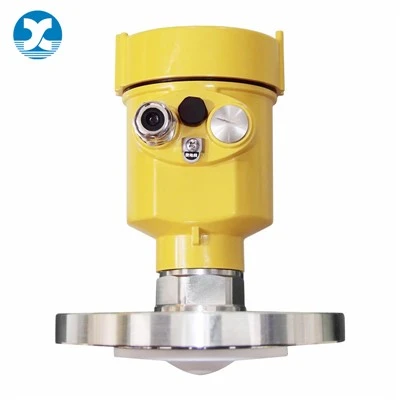
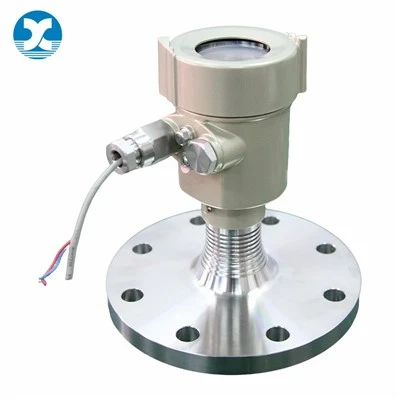
Process sensors form the front-end foundation of any automation system. They convert physical process changes into measurable electrical signals that PLCs and SCADA platforms interpret and act upon. Common types include temperature, pressure, flow, level, proximity, and photoelectric sensors.
Temperature sensors such as RTDs and thermocouples monitor equipment and media temperatures to prevent overheating and regulate heating/cooling cycles. Pressure sensors safeguard pipelines and vessels from overpressure conditions. Level and flow sensors stabilize material feeding and process throughput. Proximity and photoelectric sensors detect part positioning, count products, and trigger sequential machine motion.
Overall automation accuracy and response speed depend entirely on sensor performance. Low-grade or incorrectly specified sensors cause signal delay, measurement drift, and false triggering, which directly undermine line stability and production throughput.
2. Industrial Transmitters
Sensors capture raw field signals, while transmitters condition these weak inputs into standardized 4-20mA or digital bus signals suitable for long-distance transmission and system acquisition. Typical versions include temperature, pressure, level, and flow transmitters.
In typical factory environments, field devices spread across wide areas. Raw sensor signals easily degrade due to cable resistance and electromagnetic interference. Transmitters isolate, amplify, and stabilize these signals to preserve measurement accuracy across long cable runs. Most models also support local display and remote monitoring, making them indispensable for standardized industrial data acquisition.
3. Variable Frequency Drives (VFDs)
Variable frequency drives (VFDs) serve as core motor control devices in modern automation. By adjusting output frequency and voltage, VFDs deliver stepless speed regulation, soft motor starting, and dynamic torque control. Unlike fixed-speed operation, VFDs match motor output to real-time process demand.
VFDs are widely deployed on conveyors, process pumps, ventilation fans, and mixing equipment. They reduce mechanical stress during startup and operation, extend equipment service life, and cut idle energy consumption. Integrated protection against overcurrent, overvoltage, overload, and overheating also significantly improves overall operational safety.
4. HMI Human-Machine Interfaces
HMIs create a critical interface between operators and automated control systems. They visualize PLC data and translate manual inputs into actionable control commands. No automated line is complete without local visualization; relying solely on backend programming creates operational bottlenecks and slow fault response.
Modern HMIs support real-time data visualization, on-site parameter adjustment, equipment status overview, pop-up fault alerts, and trend analysis. Operators can modify process settings, review runtime logs, and diagnose issues without direct PLC access. Reliable HMI implementation streamlines daily operation and reduces downtime caused by manual tuning errors.
5. Tuning Fork & Safety Limit Switches
Every automated line requires dedicated safety instrumentation to mitigate operational risks. Tuning fork level switches and mechanical limit switches provide reliable threshold-based protection for process tanks and moving machinery.
Tuning fork switches prevent tank overflow and pump dry-run conditions in buffer and storage vessels. Limit switches monitor mechanical travel ranges to avoid collision and overstroke damage. These discrete safety devices work alongside continuous transmitters to build redundant protection layers, minimizing failure risks in unattended automation environments.
6. Data Recorders & Industrial Meters
Paperless recorders and digital panel meters deliver local data visualization and historical parameter archiving. In batch manufacturing, consistent data recording supports quality traceability, process optimization, and third-party safety audits.
These instruments independently capture temperature, pressure, flow, and level data, preserving complete process records even during upper system downtime. They are standard requirements for food, pharmaceutical, chemical, and precision manufacturing sites with strict compliance protocols.
Standard Instrument Matching Logic for Typical Automated Factory Scenarios
Each automation workflow requires a tailored instrument setup. Generic or over-spec configurations lead to wasted budget, while under-equipped systems create process gaps and instability. Below are field-proven instrument combinations for common industrial automation scenarios.
Continuous Pipeline Production Lines
Continuous pipeline lines depend on temperature, pressure, and flow transmitters for real-time process monitoring. VFDs dynamically adjust line speed and pump output to match throughput demand. HMIs provide live status visualization, while data recorders archive critical parameters to sustain consistent run conditions.
Material Batching & Formulation Workshops
Accurate batching and formulation rely on level and flow transmitters for precise ingredient dosing. Tuning fork switches add high/low level interlocks to prevent overflow, starvation, and material inconsistency. Stable instrument feedback directly improves batch repeatability and reduces defect rates.
Environmental & Utility Auxiliary Systems
Plant utility systems, including water supply, exhaust, and HVAC, use temperature and pressure sensors paired with VFDs for intelligent fan and pump control. Variable-speed operation maintains stable environmental conditions while lowering baseline energy consumption.
Common Instrument Deployment Mistakes in Factory Automation
Many automation integration projects suffer from persistent instability due to poor instrument specification practices. A common oversight is overinvesting in PLCs and mechanical hardware while underestimating the importance of accurate front-end sensing. This creates a critical mismatch: precise control logic paired with distorted field data.
Improper ranging is another frequent issue. Over-sized measurement ranges reduce control resolution, while undersized ranges trigger unnecessary over-limit alarms. Additionally, failing to implement signal isolation and anti-interference measures causes data flickering in high-EMI workshop environments, leading to incorrect control decisions.
FAQ
What are the most essential instruments for basic factory automation?
Basic automated production lines require process sensors, matched transmitters, VFD speed control, and HMI operator interfaces. For compliant, low-risk operation, safety switches and data recorders are strongly recommended additions.
How do industrial instruments improve factory automation efficiency?
High-quality instrumentation enables reliable closed-loop automation. It minimizes manual adjustment, stabilizes process parameters, reduces unplanned downtime, and supports data-driven process refinement. The end result is more consistent output and higher overall operational efficiency.
Why do automation systems need both transmitters and sensors?
Sensors capture raw physical readings, but these weak signals require conditioning for industrial environments. Transmitters amplify, isolate, and standardize data for stable long-distance transmission and reliable controller acquisition. The two device types work in tandem to deliver consistent field feedback.
Conclusion
Industrial instruments are not secondary accessories-they form the operational backbone of smart factory automation. Sensors and transmitters deliver accurate field data; VFDs enable flexible equipment regulation; HMIs streamline human-machine workflow; safety switches and data recorders ensure secure, auditable production.
Proper instrument selection and systematic deployment reduce automation failure rates, cut long-term maintenance costs, and stabilize product quality. Well-instrumented production lines are essential for factory intelligence upgrades and sustainable energy-efficient operation.
If you need project-specific instrument configuration for your factory automation line, share your process conditions, equipment layout, and control objectives. Our engineering team can provide optimized, cost-effective instrument selection and system integration recommendations.
References
1. IEC 61131:2024. Industrial Process Measurement and Control – General Standards for Automation Instrumentation.
2. ISA-95:2023. Enterprise-Control System Integration for Factory Automation.
3. International Society of Automation (ISA). (2025). Best Practices for Field Instrument Deployment in Automated Manufacturing.
4. IFM Electronic. (2026).Industrial Sensor & Transmitter Application Manual for Factory Automation.
5. Siemens Industrial Automation. (2025). VFD and Process Instrument Matching Guidelines for Smart Factories.