Oil and gas facilities operate in some of the most hazardous industrial environments in the world. Upstream wellheads, midstream compressor stations, crude oil tank farms, and refinery process units constantly emit flammable hydrocarbons, natural gas vapors, and volatile compounds. In these classified hazardous zones, even a minor electrical spark or excessive equipment surface heat can trigger catastrophic explosions, fires, and costly unplanned downtime.
Field instrumentation - including pressure sensors, temperature transmitters, level meters, and flow devices - sits directly within these high-risk zones. Standard commercial instruments lack explosion-proof ratings and are not approved for oil and gas field deployment. From real-world engineering and procurement experience, most compliance failures do not stem from poor product build quality. They happen due to mismatched certification categories, misunderstood regional standard differences, and incorrect zone-based instrument matching during the specification phase.
This practical guide covers globally recognized explosion-proof standards for oil and gas instrumentation. It focuses on real field application rules, regional certification distinctions, actionable selection logic, and common compliance issues that regularly delay project approval. Tailored for plant engineers, EPC contractors, and procurement specialists, this resource helps teams specify fully audit-ready, site-matched explosion-proof instruments that meet regulatory requirements and hold up under daily field operation.

Hazardous Area Classification: The Basis of All Explosion-Proof Selection
Before evaluating individual standards or certification types, it is critical to define a site's hazardous area classification first. Every explosion-proof instrument specification must align with the facility's official zone rating, gas group, and temperature class. Even minor mismatches result in audit rejection and create persistent on-site safety risks.
Zone Classification (IEC / ATEX Global Zoning System)
Most international oil and gas projects follow the IEC and ATEX zoning framework, which categorizes gas hazard areas based on how often and how long explosive gas mixtures are present:
- Zone 0: Explosive gas mixtures exist continuously or for long periods. Only intrinsically safe Ex i devices are permitted here.
- Zone 1: Explosive gas mixtures may appear during normal operation. Instruments must support Zone 1-level explosion-proof protection.
- Zone 2: Explosive gas only appears under abnormal fault conditions. Protection requirements are relatively lenient but still mandatory for all electrical instruments.
On typical oil and gas sites, the headspace above floating roof storage tanks, vent port surroundings, and pump seal areas routinely fall into Zone 1 or Zone 2 classifications. These are the most common zones for field instrument installation across tank farms and process yards.
Gas Group & Temperature Class Matching
Gas group ratings define the ignition sensitivity of process media. Conventional crude oil and natural gas environments generally qualify for Group IIB certification. Sites handling hydrogen or ultra-light hydrocarbon gases require the more stringent Group IIC-rated equipment.
Temperature classes, or T-ratings, cap the maximum safe surface temperature for installed instruments. For nearly all standard oil and gas hydrocarbon environments, T4 (≤135°C) is the industry default. Specifying lower-grade T3 equipment introduces over-temperature hazards, while over-specifying T6 hardware adds unnecessary cost without delivering tangible field benefits.
Global Explosion-Proof Standards Widely Used in Oil & Gas Projects
Different global regions enforce independent explosion-proof certification systems, creating one of the biggest hurdles for cross-border instrument procurement. A certification valid for European sites will not always pass audits in North America, Central Asia, or the Middle East. Below are the four core standard systems most commonly specified in oil and gas project bid documents.
IECEx: Global Unified Technical Standard
Developed by the International Electrotechnical Commission, IECEx establishes unified global testing and technical benchmarks for explosion-proof equipment. It does not override local country certifications, but serves as the universally accepted technical baseline for nearly all international oil and gas tender projects.
Virtually all global EPC projects recognize IECEx test reports and certificates. For oilfield instrument exports and international project deployment, IECEx is the fundamental baseline qualification.
ATEX: EU Mandatory Market Access Directive
ATEX is a legally mandated EU directive for all equipment deployed in explosive atmospheres within European territory. Unlike the technical baseline provided by IECEx, ATEX functions strictly as a market access compliance qualification.
Instruments supplied to European refineries, offshore platforms, and coastal terminal projects require formal ATEX certification. Most formal tender specifications mandate dual IECEx + ATEX certification to clear design reviews and final site acceptance.
North American NEC / CSA / UL Division Standards
The United States and Canada utilize a Class/Division classification system instead of the international Zone framework. Class I covers all flammable gas and vapor environments typical of oil and gas operations. Division 1 aligns with high-risk Zone 0/1 conditions, while Division 2 corresponds to lower-risk Zone 2 applications.
Most North American shale gas and oil terminal projects explicitly require UL or CSA certification. Submitting only IECEx or ATEX documentation will not satisfy local safety audit requirements.
Regional Compliance Standards (EAC Ex, Local Registration)
Projects located in Russia, Central Asia, and parts of the Middle East require valid EAC Ex certification for customs clearance and legal on-site operation. Even with complete IECEx documentation, instruments still need local regulatory filing before deployment. Experienced suppliers always confirm regional certification requirements at the earliest project stage to avoid delays.
Four Main Explosion-Proof Protection Types for Field Instruments
Only four explosion-proof protection methods see regular use for process instrumentation on oil and gas sites. Each has defined, field-proven use cases, and incorrect specification is the leading cause of post-installation compliance failures.
Intrinsic Safety (Ex i)
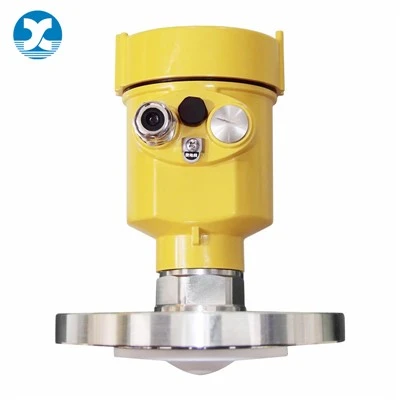
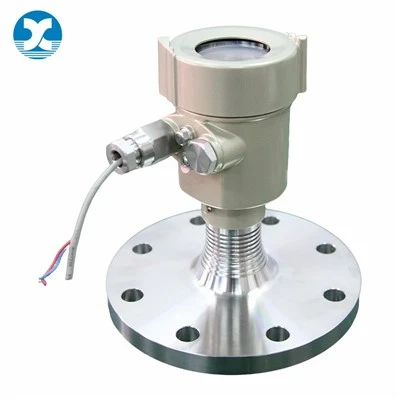
Intrinsic safety (Ex i) limits total circuit energy to levels too low to ignite flammable gas, even under single or multiple fault conditions. This protection method applies to low-power field devices, including radar level transmitters, pressure sensors, and temperature transmitters.
Rated for full Zone 0/1/2 deployment, Ex i delivers the broadest operational flexibility of all explosion-proof designs. A critical field note: intrinsically safe systems require properly matched safety barriers. Using unapproved barrier devices voids all explosion-proof certifications for the entire instrument loop.
Flameproof Enclosure (Ex d)
Flameproof (Ex d) enclosures isolate internal electrical sparks within heavy-duty sealed housings. If an internal ignition occurs, precision-engineered flame paths cool escaping gases sufficiently to prevent external atmosphere ignition.
Ex d housings are commonly used for field junction boxes, local display meters, and higher-power transmitters. Approved for Zone 1 and Zone 2 use, these devices cannot be installed in continuous hazard Zone 0 areas. Field maintenance requires strict adherence to torque specifications and gasket sealing standards to preserve enclosure integrity.
Increased Safety (Ex e)
Increased safety (Ex e) eliminates potential ignition sources - including electrical arcing and overheating - through enhanced structural and terminal design. It is primarily deployed on instrument terminal boxes and auxiliary electrical components, and rarely specified as the primary protection method for core process measurement devices.
Pressurized Purged Protection (Ex p)
Pressurized purge protection (Ex p) maintains consistent positive internal pressure using clean air or inert gas, blocking flammable external gases from entering control enclosures. This method is standard for large analytical cabinets and centralized control panels in refinery process areas.
Practical Engineering Case: Standard Matching Avoids Project Rework
An overseas crude oil terminal recently completed a tank farm automation upgrade covering multiple storage tanks and supporting pump stations. Project documentation classified all tank top measurement zones as Zone 1, IIB T4 hazardous areas.
The engineering team initially selected Ex d flameproof transmitters for all field points based on general industry experience. During third-party design review, auditors flagged critical non-compliance. Continuous volatile gas accumulation at open tank-top measuring points required intrinsically safe Ex i instrumentation, as Ex d enclosures do not meet continuous Zone 1 hazard standards. The original specification faced full rejection.
The team revised the solution strategically: all tank-top level and pressure transmitters were upgraded to dual IECEx and ATEX certified Ex i models with matched safety barriers. Ex d devices were retained exclusively for pump station auxiliary monitoring points, where their protection rating was fully compliant.
This targeted, zone-specific adjustment avoided large-scale equipment replacement and project delays, enabling a single-pass safety audit approval. The project illustrates a key field principle: blanket batch specification creates compliance risk; instrument selection must always align with precise zone and process conditions.
Field Checklist for Explosion-Proof Instrument Compliance
To help engineers and procurement teams eliminate preventable field errors, we compiled a streamlined, audit-focused compliance checklist:
- Confirm site zone type, gas group, and temperature class before selection
- Ensure instrument certification scope covers the exact model and configuration, not just series certificates
- Verify nameplate marking consistency with certificate parameters
- Match supporting accessories including explosion-proof cable glands, barriers, and sealing parts
- Avoid on-site drilling, modification, or disassembly of explosion-proof enclosures
Most Common Selection & Compliance Mistakes
The most common specification error in global projects is over-reliance on a single universal certification. Many buyers assume IECEx qualifies equipment for all regions, but EU tender works require ATEX compliance, and North American sites demand UL or CSA listings. Single-certificate instrumentation routinely fails regional audits.
Teams also frequently overlook certificate scope limitations. General series certifications often exclude specialized configurations, such as high-temperature variants or extended-range transmitters. This results in invalid certification status, even when the certificate number matches the product series.
Ambient temperature exposure is another easily missed risk factor. Intense solar radiation in desert oilfield environments can drive instrument surface temperatures above rated T-class limits, creating hidden ignition hazards despite full documentation compliance.
Conclusion
Explosion-proof compliance represents the foundational safety baseline for oil and gas field instrumentation. Global certification systems including IECEx, ATEX, UL/CSA, and EAC Ex each have defined regional applicability and strict technical criteria. Proper instrument selection hinges entirely on site zone classification, gas grouping, and temperature class ratings.
Fully qualified explosion-proof instrumentation is not simply certified hardware - it is site-matched, audit-resilient, and operationally stable equipment. Accurate scenario-based specification eliminates audit rework, project delays, and long-term operational safety vulnerabilities.
If you need tailored explosion-proof instrument configuration and certification matching for your oil and gas project, share your site zone classification, regional compliance requirements, and process parameters. Our technical team will deliver fully compliant, cost-effective instrument solutions aligned with local audit standards.
References
1. IEC 60079 Series, Explosive Atmospheres – Equipment Standard, International Electrotechnical Commission
2. EU 2014/34/EU ATEX Directive for Explosive Atmosphere Equipment
3. NFPA 70: National Electrical Code (NEC) Article 500–506 Hazardous Location Standards
4. API RP 500, Recommended Practice for Petroleum Facility Hazardous Area Classification
5. IECEx Conformity Assessment System Operational Rules, 2025 Edition