Level measurement across chemical processing, offshore oil and gas, industrial wastewater, and pharmaceutical manufacturing faces one persistent operational challenge: media corrosion. Harsh process fluids - including concentrated acids, strong alkalis, chloride-rich brine, and oxidizing solvents - quickly degrade standard stainless steel instrument components. Improperly specified level gauges develop probe pitting, liner degradation, and signal drift over time. These issues trigger frequent mechanical faults, unplanned process downtime, and repetitive equipment replacements that inflate operational costs.
Many plant operators and system integrators underestimate the speed and severity of field corrosion during the instrument specification phase. It is common practice to deploy off-the-shelf 304 or 316L stainless steel level instruments for aggressive chemical tanks, only to encounter unstable readings and premature failure within just a few months of operation. Corrosion-resistant level instruments are not optional upgrades for harsh environments. They are essential hardware to sustain consistent automation performance and minimize long-term maintenance overhead.
This practical field guide breaks down the most common corrosion-resistant level instruments, their compatible harsh media, critical wetted material selection rules, and frequent specification errors. Tailored for process engineers, EPC contractors, and industrial procurement teams, this resource delivers actionable, site-verified selection standards. It helps teams deploy low-maintenance, long-lifespan level measurement solutions for corrosive process environments.
Common Harsh Corrosive Media in Industrial Processes
Corrosion severity varies significantly depending on media concentration, operating temperature, and ionic composition. A material that performs reliably in diluted acid can fail rapidly in high-temperature, high-concentration chemical environments. Proper instrument selection always starts with accurate on-site media classification to eliminate costly material mismatches.
Strong Acid Media
Concentrated hydrochloric, sulfuric, nitric, and hydrofluoric acid rank among the most aggressive industrial process media. They cause rapid pitting and structural degradation on standard stainless steel and basic alloy components. Elevated process temperatures accelerate chemical erosion further, rendering conventional contact-based level instruments unusable for long-term service.
Strong Alkali & Caustic Media
Concentrated sodium hydroxide, potassium hydroxide, and other caustic solutions induce alkali embrittlement in metallic components. Extended immersion creates internal micro-cracks and progressive component failure. Most standard metal alloys cannot maintain stable operation within high-concentration, high-temperature alkaline tank environments.
Chloride & Saline Media
Brine, desalination discharge, and industrial circulating saltwater carry high chloride ion concentrations. These ions trigger localized pitting corrosion on 316L stainless steel, even under moderate operating conditions. This failure mode is extremely prevalent on offshore platforms, marine chemical terminals, and salt processing facilities.
Oxidizing & Special Solvent Media
Oxidizing agents such as chlorine water and hydrogen peroxide, alongside aggressive organic solvents, break down standard polymer linings and erode common alloy surfaces. These specialized media require purpose-built corrosion-resistant materials to preserve measurement accuracy and instrument lifespan.
Core Wetted Materials for Corrosion Resistant Level Instruments
The reliability and service life of corrosion-resistant level instruments hinge entirely on wetted component materials. No single material suits every harsh medium. Field engineers must match wetted material properties precisely to the unique characteristics of the process fluid for consistent long-term performance.
PTFE / PFA Fluoropolymer Lining
PTFE and PFA fluoropolymer linings deliver near-universal chemical inertness. They resist degradation from strong acids, concentrated alkalis, and most organic solvents, with a continuous operating temperature range of -200°C to 250°C. Their non-stick surface also repels media adhesion and fouling, cutting down on routine field cleaning and maintenance.
This lining technology offers the best cost-to-performance ratio for most standard corrosive tank applications. It is widely integrated into lined magnetic level gauges, anti-corrosion submersible transmitters, and radar probe protective sleeves. The primary limitation is poor resistance to high-temperature molten alkali and select fluorinated specialty solvents.
Hastelloy C-276 Alloy
Hastelloy C-276 is a premium nickel-molybdenum-chromium alloy engineered for extreme corrosive conditions. It provides robust resistance to oxidation, pitting, and crevice corrosion, maintaining stable performance in concentrated mixed-acid environments. Unlike standard stainless steel, it withstands sustained high-temperature, high-corrosion process cycling.
Due to elevated material and machining costs, Hastelloy is rarely used for full instrument lining. It is primarily specified for wetted probe components on high-precision level transmitters deployed in ultra-harsh fine chemical and specialty industrial processes.
316L & Duplex Stainless Steel
316L stainless steel provides baseline corrosion resistance for mild process media. It performs reliably in diluted weak acids, clean process water, and low-salinity solutions but suffers rapid degradation in concentrated acids and high-chloride environments. Duplex stainless steel offers enhanced chloride resistance, effectively preventing pitting in seawater and brine, making it ideal for offshore and desalination facilities.
Tantalum & Titanium Alloy
Tantalum exhibits exceptional corrosion resistance, remaining largely inert to most strong acids across ambient and moderate temperatures. Titanium alloy performs best in oxidizing acid and high-chloride environments. Both materials carry significant cost premiums, so they are reserved for ultra-specialized precision measurement applications in pharmaceutical and high-purity chemical manufacturing.
Main Corrosion Resistant Level Instruments & Field Applications
Each level measurement principle offers distinct advantages in corrosive field conditions. Strategic instrument selection balances long-term operational stability, maintenance demands, and overall project budget.
Anti-Corrosion Radar Level Gauges
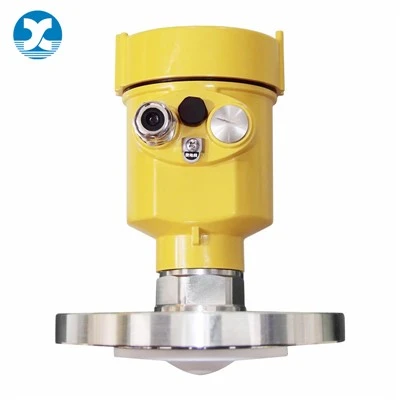
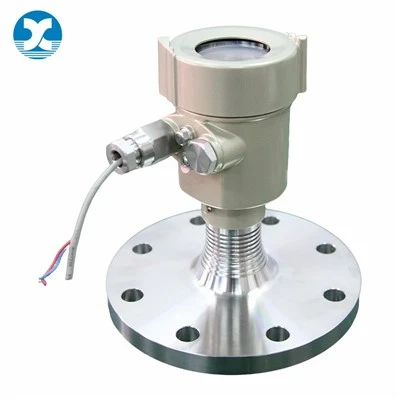
Non-contact radar level meters represent the most reliable solution for severely corrosive tank environments. The antenna never contacts process media, and users can spec PTFE or ceramic coatings for full anti-corrosion protection. These devices are immune to media corrosion, vapor buildup, and surface foam, delivering consistent long-term readings with minimal routine upkeep.
They are the preferred option for sealed high-corrosion chemical tanks, concentrated acid storage vessels, and high-temperature solvent reactors. While upfront procurement costs exceed contact-type instruments, their extended service life drastically cuts long-term replacement and maintenance expenses.
PTFE-Lined Magnetic Flap Level Gauges
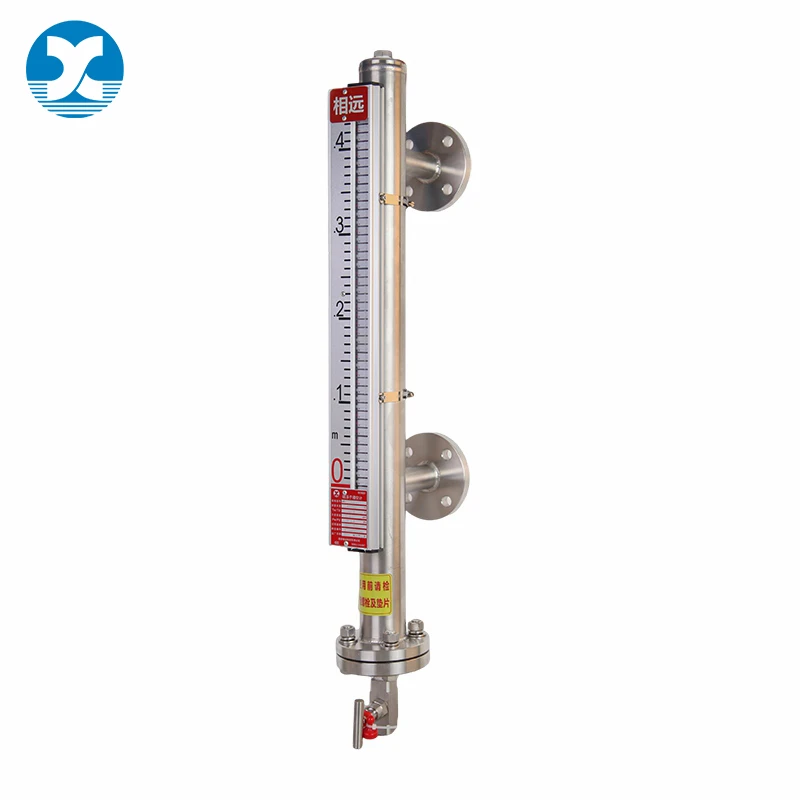
PTFE-lined magnetic level gauges combine robust metallic structural integrity with superior fluoropolymer corrosion resistance. A full PTFE inner lining shields against harsh media, while the outer metal housing maintains mechanical stability. Units support direct on-site visual level indication and can pair with remote transmitters for automated data acquisition.
This instrument type is widely deployed on standard acid-base dosing tanks and general corrosive storage vessels. It delivers strong cost efficiency for fixed-point tank monitoring and remains the most common anti-corrosion level solution for mid-sized chemical processing facilities.
Anti-Corrosion Submersible Hydrostatic Level Transmitters
Fully sealed PTFE and PVDF submersible level transmitters suit open corrosive basins and deep liquid storage tanks. The fully encapsulated anti-corrosion structure prevents liquid ingress and component erosion, making them ideal for wastewater pH adjustment pools and open chemical sedimentation tanks.
It is important to note that submersible units operate under full continuous immersion. For high-concentration corrosive media, periodic inspection is necessary to prevent seal degradation and premature component failure.
Anti-Corrosion Tuning Fork Level Switches
PTFE-coated or all-plastic tuning fork level switches provide reliable point-level safety monitoring for corrosive tanks. They mitigate overflow and dry-run risks on acid and alkali storage vessels, pairing with continuous level instruments to create redundant, fail-safe monitoring systems.
Practical Engineering Application Case
A mid-sized fine chemical facility recently completed upgrades to its acid-base storage tank monitoring system. The site operated multiple concentrated hydrochloric acid and caustic soda tanks under sustained high-temperature, highly corrosive conditions.
The original monitoring setup relied on standard 316L stainless steel level transmitters. Within six months, probes developed severe pitting and corrosion, causing persistent signal drift. The site faced frequent recalibration and full instrument replacements. Unstable level readings also disrupted automated batching cycles, resulting in inconsistent product quality.
After thorough on-site process evaluation, the engineering team implemented a tiered solution. Critical primary tank measurement points were upgraded to non-contact anti-corrosion radar transmitters, eliminating media contact entirely. Auxiliary storage tanks adopted cost-effective PTFE-lined magnetic level gauges.
Post-upgrade failure rates dropped dramatically. The facility eliminated monthly maintenance and replacement work, while consistent level measurement precision stabilized automated batching output. This project demonstrates that targeted anti-corrosion instrument matching resolves chronic field instability far better than reactive maintenance and frequent part replacement.
Key Selection Principles for Harsh Media
These field-validated selection rules help engineers avoid material mismatches and unnecessary budget waste when specifying level instruments for corrosive process environments.
- Prioritize non-contact measurement: For ultra-corrosive media, radar instruments eliminate contact erosion and reduce maintenance pressure to the greatest extent.
- Match materials by medium concentration and temperature: Do not use 316L stainless steel for concentrated strong acid environments; select professional fluoropolymer lining or alloy materials.
- Balance cost and service life: Adopt PTFE lining for conventional corrosive conditions and high-end alloy materials only for ultra-special harsh working conditions to control project budget.
- Verify full anti-corrosion structure: Ensure wetted parts, seals, and connecting threads all adopt anti-corrosion configuration, avoiding local corrosion caused by material differences.
Common Selection & Operation Mistakes
The most common specification error is over-reliance on standard stainless steel. Many procurement and engineering teams assume 316L delivers universal corrosion resistance, ignoring its poor performance in concentrated acids and high-chloride fluids. Partial anti-corrosion design is another critical flaw. Even a single unprotected metal seal or threaded fitting can trigger localized corrosion and full instrument failure over time.
Process temperature is also frequently overlooked. All polymer-based anti-corrosion materials experience reduced chemical resistance at elevated temperatures. High-temperature corrosive applications require purpose-rated materials and structural designs to avoid premature degradation.
Conclusion
Harsh corrosive process media represent the primary cause of premature failure for industrial level instruments. Standard stainless steel hardware cannot withstand the aggressive conditions found in chemical processing, offshore operations, and high-salinity wastewater systems. Proper instrument selection depends on thorough evaluation of media type, concentration, operating temperature, and process configuration to deploy suitable non-contact radar, fluoropolymer-lined, or high-alloy solutions.
Strategic material pairing and targeted instrument configuration minimize field failure rates, reduce long-term maintenance and replacement costs, and sustain accurate, reliable level monitoring for corrosive process systems year-round.
If you need tailored anti-corrosion level instrument specifications for your harsh media application, share your fluid type, concentration, operating temperature, and tank configuration details. Our technical team can deliver fully optimized, cost-effective instrument solutions matched to your site's unique process conditions.
References
1. IEC 61518:2024. Industrial Process Measurement – Corrosion Resistance Requirements for Process Instrument Wetted Parts.
2. NACE SP0108:2023. Standard Practice for Corrosion Control of Industrial Process Equipment.
3. International Society of Automation (ISA). (2025). Material Selection Guide for Process Instruments in Aggressive Media.
4. Macsensor Technical Laboratory. (2026). Wetted Part Material Comparison for Industrial Level Sensors.
5. Chemical Processing Industry Association. (2025). Field Deployment Standards for Anti-Corrosion Automation Instruments.