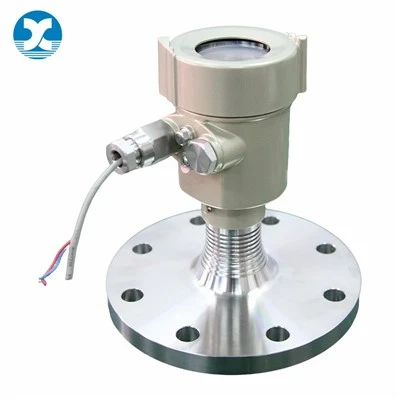
Off-the-shelf level gauges work reliably for simple, low-demand applications like standard water tank monitoring. But most industrial process projects - chemical processing, oil and gas operations, pharmaceutical production, and high-pressure boiler systems - rely on custom level gauges to match unique site conditions.
Across cross-border procurement, we see the same avoidable issues repeatedly: delayed quotes, mismatched gauge models, and fully unusable delivered units. Almost all stem from incomplete or vague parameter details in RFQs. When suppliers lack clear field data, they default to generic configurations. The result? Poor material compatibility, incompatible signal outputs, inadequate pressure ratings, and failed on-site compliance audits.
Sourcing custom level gauges is never a simple "size modification" request. It's about equipping your manufacturer with precise, site-specific technical data to build a gauge that fits your process environment, automation infrastructure, and regional compliance rules. This article breaks down every critical parameter you need to submit with your inquiry. Follow this framework, and you'll get accurate, cost-effective quotes while eliminating costly rework and project delays.
1. Why Detailed Custom Parameters Make or Break Your Project
Many procurement teams underestimate how many design variables go into a custom level gauge. Every specification you provide directly impacts sensor structure, wetted material selection, pressure tolerance, temperature resistance, and embedded programming.
Skipping key details leads to two costly outcomes. Under-customization delivers a gauge that cannot withstand harsh field conditions, resulting in corrosion, signal drift, or premature failure. Over-customization loads your unit with overrated materials and unnecessary certifications, inflating budget without adding real operational value. Complete, accurate parameters ensure a balanced solution: safe, compliant, and cost-efficient.
2. Process Condition Parameters | Foundation of All Customization
Your on-site process conditions define every core design choice for the level gauge. Manufacturers use this data to select compatible materials, structural reinforcements, and protection grades. These are your highest-priority details for any RFQ.
2.1 Process Medium Properties
The substance you're measuring dictates wetted material compatibility more than any other factor. Be specific: clean water, crude oil, chemical solvents, corrosive liquids, viscous slurries, or granular solids. Whenever applicable, include viscosity, density, and active corrosive components.
The difference is stark. Standard 316L stainless steel works perfectly for regular water and mild oil applications. But saltwater, acidic fluids, and strong alkaline media require upgraded alloys like titanium or Hastelloy to resist long-term degradation. Viscous slurries need specialized anti-fouling probe designs to prevent material buildup and unstable readings. Generic material guesses always lead to premature breakdowns.
2.2 Operating Temperature & Pressure Range
Temperature and pressure thresholds determine mechanical strength, sealing composition, and electronic component durability. Never share only average values. Always include minimum, normal, and maximum working temperature and pressure.
Standard off-the-shelf gauges handle general industrial ranges with ease. But high-temperature boiler vessels, high-pressure reaction tanks, and vacuum environments demand targeted upgrades. These include reinforced pressure chambers, high-temperature resistant seals, and heavy-duty flange connections. Omitting peak operating values guarantees under-engineered hardware that fails under extreme load.
2.3 External Site Environment
Your site's external environment dictates ingress protection, interference resistance, and explosion-proof requirements. Outdoor installations need robust waterproof and dustproof ratings. Sites with heavy machinery and VFD equipment require enhanced EMC shielding to block electromagnetic noise.
Most importantly, confirm whether your location is a classified hazardous area. Clearly state gas or dust zone ratings (Zone 0/1/2 or Zone 20/21/22). This single detail determines whether ATEX or IECEx certified construction is mandatory for site approval.

3. Mechanical & Structural Customization Parameters
These specifications define the gauge's physical build, mounting style, and measurement coverage. They prevent common cross-border issues: impossible field installation, misaligned fittings, and insufficient measuring range.
3.1 Measuring Range & Accuracy Class
Provide your exact tank height and typical liquid level fluctuation range. This sets the probe length and full-scale calibration parameters. An ill-fitted range leaves you with blind measurement zones or oversized hardware that wastes installation space.
Match your accuracy requirements to your actual use case. General water treatment operates reliably at ±0.5% FS. Precision processes like pharmaceutical batching and fine chemical reaction monitoring require ±0.1% FS or higher precision. Over-specifying accuracy raises costs unnecessarily, while under-specification compromises process control consistency.
3.2 Installation Method & Connection Standards
Confirm your mounting style: top-mounted, side-mounted, bottom-mounted, or bypass pipe installation. Global projects face frequent fitting failures due to mismatched regional connection standards.
Clearly specify flange or thread type, size, and pressure class. Common standards include ANSI/ASME (US), DIN (EU), and ISO thread specifications. Generic "standard flange" claims from suppliers almost always result in on-site rework for international projects.
3.3 Wetted Material Selection
Wetted material choice directly impacts service life and medium compatibility. Common options include 304 SS, 316L SS, PTFE, and PVC. Harsh environments require upgraded titanium or Hastelloy alloys.
Avoid guesswork here. Aggressive chemical media will corrode standard stainless steel over time. Conversely, specifying high-end alloys for basic water tanks creates unnecessary overhead. Matching material to medium delivers the best balance of durability and cost savings.
4. Electrical & System Compatibility Parameters
Even mechanically perfect level gauges become useless if they cannot communicate with your existing automation system. These electrical parameters ensure seamless integration with PLC, DCS, and SCADA platforms.
4.1 Signal Output Protocol
Define your required signal output: 4-20mA analog, RS485 Modbus, or HART protocol. Analog signals suit basic local monitoring, while digital Modbus and HART options support remote data transmission, centralized control, and real-time system debugging.
4.2 Power Supply Requirements
Most field instruments run on 24VDC, but some legacy or specialized systems require 220VAC or wide-voltage input. Confirming your power specification eliminates startup faults and unstable signal output after installation.
4.3 Functional Customization
Customize features based on your control needs. Standard local display is sufficient for simple monitoring. Automated process sites often require high/low level alarm relays, remote data logging, and self-cleaning anti-blocking functions to reduce manual maintenance.
5. Compliance & Documentation Requirements
Cross-border projects live or die by complete certification packages. Different regions and industries enforce unique compliance rules, which must be confirmed before production starts.
Clearly state your target market and industry vertical to secure correct documentation. Common requirements include CE (EMC/LVD/PED), ATEX/IECEx explosion-proof certification, FDA food-grade certification, and ILAC-accredited calibration reports. Complete English manuals, datasheets, and test records ensure smooth customs clearance and final project acceptance.
6. Real-World Customization Failure & Fix Example
A foreign fine chemical project team once submitted a rushed, simplified RFQ for custom radar level gauges. They only shared tank height and general liquid medium information, with no additional field details.
The supplier delivered standard 316L gauges with basic EMC performance and generic explosion-proof certification. After installation, multiple issues surfaced at once. Trace corrosive components in the process medium slowly eroded wetted parts. Strong VFD interference caused constant reading fluctuations. Meanwhile, the generic Ex certification failed to meet local Zone 1 hazardous area audit standards. The entire batch was non-compliant and required full replacement.
For the reorder, the buyer submitted a full parameter package: exact medium composition, peak temperature and pressure values, on-site electromagnetic interference conditions, precise hazardous zone classification, and Modbus communication requirements. The supplier delivered a fully tailored solution with PTFE anti-corrosion construction, enhanced EMC shielding, IECEx high-grade explosion-proof configuration, and complete compliance documentation. The revised units passed inspection seamlessly and have maintained stable long-term operation.
7. Buyer's RFQ Checklist for Perfect Custom Level Gauges
Use this simple, actionable checklist every time you submit an inquiry to eliminate missing parameters and repeated revisions:
- Process medium type, viscosity, density, and corrosive properties
- Minimum, normal, and maximum operating temperature and pressure
- Tank height, effective measuring range, and required accuracy class
- Mounting method + exact flange/thread standard and dimensions
- Required wetted material grade and IP protection rating
- Hazardous area classification and certification requirements
- Power supply voltage and signal output protocol
- Optional functions: local display, alarm output, remote transmission, self-cleaning
- Target export market and mandatory compliance documents
8. Final Conclusion
Custom level gauge performance hinges entirely on the technical details you provide during the RFQ stage. Vague requirements always result in mismatched hardware, compliance failures, and unplanned project costs. Every parameter you clarify helps manufacturers engineer a purpose-built solution for your exact field conditions.
By following this structured parameter framework, you will receive precise, compliant, cost-effective custom quotes on the first try. This streamlines procurement cycles, eliminates rework, and guarantees long-term instrument stability for your industrial processes.
If you need help organizing your project parameters or matching the right custom level gauge configuration, reach out to our team. We provide tailored technical configuration and cross-border sourcing support for global industrial clients.
References
1. IEC 61518, Industrial Process Measurement and Control – General Guidelines for Liquid Level Instrument Design
2. ISO 15769, Process Measurement – Level Measurement in Open and Closed Vessels
3. ISA-77.00.01, Global Level Measurement Instrument Customization and Application Standards
4. IEC 61010, Safety Requirements for Electrical Measuring and Control Equipment
5. European Commission, EMC & LVD Directive Compliance Guidelines for Process Instruments