


Magnetic flapper level gauges are a staple across chemical plants, wastewater facilities, refineries and process manufacturing lines - and for good reason. They deliver steady, mechanical level readings with far less day-to-day upkeep than most alternatives. Unlike delicate glass sight glasses that need constant cleaning and part swaps, these gauges are built to hold up in tough industrial conditions for years on end.
That said, low-maintenance does not mean zero-maintenance. Most premature failures I run into on site aren't from poor manufacturing - they come from skipped routine checks, sediment buildup, rough operation, and teams treating these gauges as "set it and forget it" equipment. Even a perfectly sized, correctly specified gauge will end up with stuck floats, misaligned flappers or drifting readings if basic upkeep falls by the wayside.
This guide walks through practical, field-tested maintenance routines, the most common faults you'll run into, how to fix them on site, and simple habits that stretch a gauge's service life significantly. None of these steps require specialized tools or advanced training, and they fit right into existing operator rounds and planned shutdown schedules.
Why Magnetic Flapper Gauges Fail Prematurely in Field Service
To do maintenance right, it helps to know what actually wears these gauges down over time. Because there's no physical contact between the internal float and the external flapper indicator, there's none of the traditional mechanical friction wear you see in other level meters. That doesn't mean they're immune to degradation - process and environmental conditions take their toll slowly but steadily:
- Suspended solids and sediment settle in the chamber base, restricting float movement
- Crystallization, scaling and medium residue accumulate on float surfaces, altering buoyancy
- Continuous vibration and temperature cycling knock external flappers out of alignment
- UV exposure and dust buildup fade flapper contrast and obscure scale readings
- Aging gaskets and valve packing cause minor seepage and wear on the pressure boundary
These issues progress slowly and rarely set off immediate alarms. Most sites only notice problems when readings become erratic or the gauge stops responding entirely. Regular simple inspections catch these subtle warning signs long before they turn into unplanned downtime or process errors.
Daily & Weekly Visual Inspections (Standard Operator Rounds)
You can catch most avoidable issues before they turn into problems with quick checks built into regular operator rounds. These take only a few minutes per gauge and don't require any process shutdown or isolation.
1. Verify Flapper Display Consistency
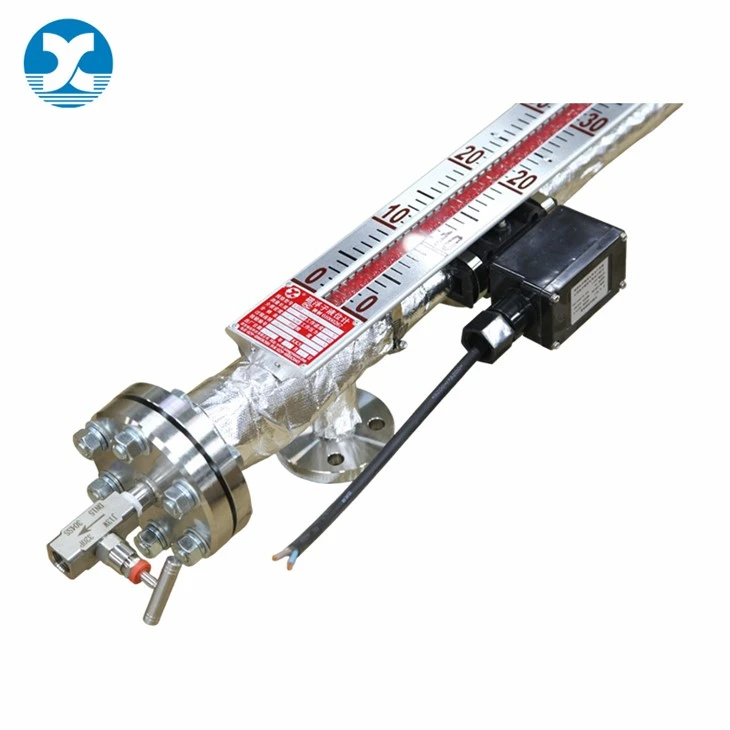
The line between the two flapper colors should be sharp, straight and consistent, moving up and down as the tank level changes. A few random flipped flappers here and there are normal after heavy vibration or batch cycling, and easy to reset. But if you see large gaps, staggered sections of misaligned flappers, or a reading that stays completely still while you know the tank is filling or draining, the float is almost certainly sticking or the magnetic coupling has failed - and it needs attention right away.
2. Inspect for External Leaks & Corrosion
Check all flange joints, vent ports, drain valves and threaded connections for damp spots, weeping liquid or discoloration. Minor seepage never fixes itself - it only gets worse with temperature swings and pressure cycling. Catching it early for a bolt retighten or gasket swap keeps small leaks from turning into full pressure boundary faults.
Also check the chamber exterior for rust or chemical corrosion, especially on outdoor installations or in corrosive plant environments. External degradation is often a sign that ambient conditions are harder on the gauge than expected, and internal components will likely follow suit over time.
3. Rule Out Nearby Magnetic Interference
Magnetic coupling depends on an undisturbed field between the internal float and external flappers. Newly installed equipment like large motors, transformers or magnetic separators placed close to the gauge can throw readings off. If new machinery goes in nearby, always double-check that flappers still respond normally to level changes to rule out interference.
4. Keep Indicator Assembly Clean
Dust, grime and weather residue on the flapper cover and measuring scale make readings harder to pick out in bright sun or low light. A quick wipe with a soft lint-free cloth is all it takes for regular cleaning. Skip harsh abrasive cleaners - they scratch protective covers and speed up UV degradation over time.
Quarterly Preventive Maintenance & Chamber Flushing
Weekly checks catch surface-level issues, but quarterly maintenance targets the internal buildup that causes slow, long-term performance drift. This routine is especially critical for wastewater, chemical dosing, brine and other high-scaling media applications.
1. Flush Sediment & Residue From the Chamber
Sediment piling up at the bottom of the chamber is the single biggest cause of stuck floats. Follow this safe, field-proven flushing procedure during normal operation:
- Isolate the gauge chamber by slowly closing the upper and lower process valves
- Open the top vent valve to equalize internal pressure
- Gradually open the bottom drain valve to let settled solids and residual liquid flow out
- Briefly pulse the lower process valve open to flush out any loose sediment left behind
- Close the drain and vent valves, then reopen the process valves to put the gauge back into service
For crystallizing or high-scale media, add a compatible solvent flush to dissolve hard residue. Never use sharp metal tools to scrape the inside of the chamber - this scratches stainless steel surfaces and damages PTFE linings, which leads to faster corrosion and more float binding down the line.
2. Reset & Test Full Flapper Travel
Run a standard handheld calibration magnet slowly along the full length of the indicator rail, from bottom to top and back down. This resets any misaligned flappers and confirms that the full range moves smoothly. Sluggish or unresponsive flappers usually mean dirt buildup, internal moisture, or degraded flapper magnets that need cleaning or replacement.
3. Recheck Flange Bolt Tension
Thermal expansion and contraction loosens bolted connections little by little over time. Retorque flange bolts to site specification during quarterly checks to stop slow seepage before it starts, and to prevent premature gasket fatigue.
Annual Deep Inspection (Scheduled Shutdown Maintenance)
A full internal inspection once per year lines up with standard industry pressure vessel maintenance practices. This is best done during planned plant shutdowns, since it requires full gauge isolation and disassembly.
1. Float Inspection & Cleaning
After isolating and draining the chamber, remove the bottom flange to pull out the sealed float. Check it carefully for dents, surface corrosion, scale buildup or signs of liquid getting inside. A leaking float gains weight, loses buoyancy and gives permanently low readings - this is a common hidden fault that you can never spot just by looking at the external display.
Only clean float surfaces with media-compatible solvents. If there's permanent deformation or noticeable loss of magnetic strength, replace the float right away.
2. Internal Chamber Cleaning
Wipe down the chamber interior with soft, non-abrasive tools to remove leftover scale and sediment. Make sure there are no obstructions left that could catch the float as it moves up and down. For PTFE-lined gauges, check that the lining is still intact with no peeling, blistering or cracking.
3. Replace Wear-Part Gaskets & Seals
Gaskets and valve packing are consumable parts. Replacing them annually eliminates hidden leakage risks from chemical aging and compression set. Always match gasket material to your process media - PTFE for corrosive fluids, standard rubber for clean water service.
4. Calibrate Scale & Transmitter Alignment
Vibration and temperature shifts can shift the external measuring scale out of place over time. Confirm that the scale zero point lines up exactly with the centerline of the lower process flange. For gauges with 4-20mA remote transmitters, cross-check the mechanical flapper readings against transmitter output at several level points to clear up any offset errors.
Most Common Field Faults & Step-by-Step Fixes
Nearly all magnetic gauge field issues fall into four categories. These troubleshooting methods resolve 90% of on-site faults without needing to replace the entire gauge.
1. Unresponsive or Stuck Flappers
Start with a magnetic rail reset to fix vibration-induced misalignment. If that doesn't work, sediment is almost certainly holding the float in place - do a full chamber flush and clean the float. If problems keep coming back, the float has likely lost magnetism or the flapper assembly is damaged, and parts will need replacing.
2. Consistent Reading Offset
If readings are off by the same amount across the whole measuring range, the scale has almost always shifted position. Just realign the zero reference to fix it. If the offset only shows up at the very top or bottom of the range, it usually points to float damage, incorrectly sized float density, or blocked process nozzles.
3. Flange & Valve Seepage
Small leaks will often clear up with even, consistent bolt retightening. If leaking continues after adjusting tension, replace the aging gaskets. Stem leakage on drain or vent valves can be fixed by repacking the valve seals during routine maintenance.
4. Faded Low-Contrast Flappers
Outdoor gauges break down under long-term UV exposure, fading the red/white color contrast and making them harder to read from a distance. Swap out plastic flapper strips for an immediate fix, and add optional sun shields to make the next set last much longer on exterior installations.
Field Best Practices to Extend Gauge Service Life
Consistent operational habits do far more to reduce wear than reactive repairs. These simple practices eliminate most recurring gauge faults:
- Slow valve actuation: Always open process valves gradually when putting a gauge into service. Fast, sudden fluid flow slams the float upward, which can damage internal magnets and scramble flappers.
- Match maintenance frequency to your application: Clean media only needs annual internal inspection; scaling, corrosive or slurry media needs monthly flushing and bi-annual deep checks.
- Magnetic field isolation: Keep strong magnetic equipment away from gauge installations to avoid permanent coupling interference.
- Correct float specification: Always match float material and density to your process media. Mismatched floats cause chronic inaccuracy and fail far earlier than they should.
Frequently Asked Questions
How often should I maintain a magnetic flapper level gauge?
For clean, low-fouling media: weekly visual checks, quarterly flushing, and one full internal inspection per year. For corrosive, scaling or slurry media: bump flushing up to monthly and do internal inspections every six months to head off sediment buildup and float sticking.
Do magnetic flapper gauges require regular calibration?
The purely mechanical flapper display doesn't need routine calibration, since it runs on buoyancy and passive magnetic coupling. Only annual scale alignment checks are required. Optional remote transmitters should follow standard annual instrument calibration practices.
Can I clean the gauge without shutting down the tank?
External cleaning and flapper resets can be done during normal operation. Chamber flushing and internal float inspection require isolating the gauge with valves, but don't need a full tank shutdown if bypass piping is in place.
What shortens the service life of magnetic level gauges?
The biggest causes of premature failure are ignored sediment buildup, frequent pressure or temperature spikes, nearby magnetic interference, incorrectly sized floats, and gaskets that are left to degrade without replacement.
Final Thoughts
Magnetic flapper level gauges are incredibly durable and reliable when they get the right care. Their low-maintenance design takes a lot of daily work off plant teams, but it doesn't remove the need for structured preventive upkeep. Almost all field failures are predictable and avoidable with basic, consistent inspections and cleaning routines.
By sticking to daily, quarterly and annual maintenance workflows, sites can keep accurate, repeatable level readings and get the full value out of their gauge investment for years of continuous operation.
If you're dealing with persistent stuck floats, faded displays, ongoing reading errors, or need replacement wear parts for your existing magnetic gauges, our technical team can walk through targeted troubleshooting and recommend compatible components matched to your exact process conditions.
References
- International Society of Automation (ISA). (2022). Level Measurement Instruments: Selection and Application Guide. Research Triangle Park, NC: ISA.
- ABB Group. (2024). Magnetic Level Indicator Operation & Maintenance Manual. ABB Measurement Products.
- American Petroleum Institute (API). (2021). API MPMS Chapter 3.1: Automatic Tank Gauging Standards. Washington, DC: API.
- Industrial Instrument Service Association. (2025). Preventive Maintenance Guidelines for Buoyancy-Based Level Instruments.
- Zero Instrument Technology. (2026). Common Magnetic Level Gauge Field Failures & Troubleshooting Procedures.


