1. Introduction
From decades of onsite instrument commissioning, fault troubleshooting and technical specification review across global onshore oilfields, offshore platforms and full-cycle refinery projects, one recurring consultation dominates incoming inquiries from procurement and process engineering teams: what tangible economic and operational gains make radar level transmitters the mainstream level measurement solution for oil and gas, gradually replacing displacer, float and ultrasonic instruments across new builds and retrofit upgrades?
Most asset procurement teams learn the hidden cost of inferior measuring hardware the hard way. Traditional mechanical level gauges lock up with viscous crude and sulfur-bearing oil sludge; ultrasonic sensors lose valid readings amid hydrocarbon vapor and tank foam, triggering abnormal inventory discrepancies and unplanned process shutdowns. For remote well sites and offshore facilities, each breakdown brings costly vessel downtime, expensive crew mobilization for on-site repair, and even contractual penalties tied to feedstock custody transfer. While radar carries moderately higher initial procurement expense, lifecycle cost analysis from hundreds of oilfield retrofits proves radar delivers substantial long-term savings on maintenance, spare parts and production loss reduction.
This practical guide is compiled from real field test data and completed oil & gas project cases. It first elaborates the harsher-than-average operating conditions unique to energy production, unpacks radar's targeted technical advantages that directly solve site pain points, splits segmented applications along upstream-midstream-downstream supply chains, and delivers actionable specification & purchasing pointers tailored for procurement decision-making.

2. Unique Harsh Operating Conditions Across Oil & Gas Facilities
Four core site challenges are the primary reason conventional level instruments struggle to sustain stable long-term operation in oil and gas environments.
2.1 Wide swings in process temperature and working pressure
Oilfield measurement points cover an enormous parameter range: ambient atmospheric crude stock tanks, high-pressure three-phase separators rated up to 20MPa, and cryogenic LNG containment vessels operating at -162°C. In inland continental oilfield zones, extreme seasonal temperature shifts from hot summers to sub-zero winters accelerate aging of instrument seals and shell materials. Generic low-cost sensors cannot withstand repeated cyclic thermal and pressure shocks, leading to frequent seal leakage and reading drift within 1–2 years of commissioning.
2.2 Hydrocarbon vapors, persistent foam and viscous crude residues
Light hydrocarbon components continuously vaporize inside closed refining and separation vessels, forming dense suspended mist. Boiling crude and condensate further generate thick, persistent surface foam. Ultrasonic sound waves get heavily absorbed by vapor and foam; all contact-type probes rapidly accumulate sticky heavy-oil residues, altering original measurement parameters and causing unreliable inventory statistics.
2.3 Turbulent liquid surfaces from continuous inflow and phase separation
Wellhead three-phase separators receive uninterrupted mixed crude, produced water and associated gas feed, resulting in permanently rolling, irregular liquid levels. Chaotic surface reflection distorts signal return for many legacy sensors, leading to erratic output that cannot support automated feed control and accurate oil-water cut calculation.
2.4 Classified hazardous explosive working areas
Nearly all production, separation and refining areas fall under Class I explosive hazardous locations per global IEC standards. Instruments with exposed movable mechanical parts become potential ignition sources, posing severe site safety risks and non-compliance with factory safety audit requirements. Strict explosion-proof certification is a mandatory access threshold for all field instrumentation.

3. Core Advantages Making Radar the Preferred Choice for Oil & Gas
Every design merit of industrial radar is developed to counter the four above-mentioned oilfield pain points, bringing measurable cost savings for asset owners.
3.1 Non-contact or sealed guided design avoids fouling and mechanical blockage
Top-installed non-contact radar never makes physical contact with tank media, completely eliminating jamming faults common to float and displacer gauges caused by crude sludge buildup. For high-pressure separators requiring precise oil-water interface monitoring, guided wave radar adopts fully integrated sealed probe-flange construction. Minor surface oil contamination only requires occasional simple wiping instead of costly component disassembly and replacement, slashing annual spare part expenditure noticeably.
3.2 Microwave signals pass through vapor and crude foam with minimal attenuation
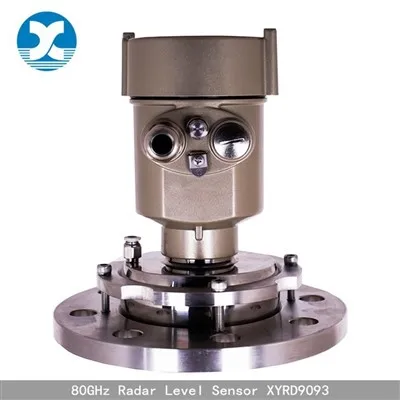
Unlike acoustic and optical detection principles, microwave signals for radar barely get blocked by hydrocarbon mist or dense crude foam. Both 26GHz and 80GHz FMCW radar maintain consistent echo feedback under regular tank atmosphere, resolving the industry's long-standing foam/vapor-induced measurement failure issue.
3.3 Customizable temp/pressure ratings cover full-spectrum oilfield working ranges
Application-specific customized radar spans from -162°C LNG cryogenic service to over 400°C high-temperature refining medium, with pressure tolerance ranging from full vacuum up to 25MPa. Optional process flanges in carbon steel, 316L stainless steel and Hastelloy C276 effectively resist corrosion from sour crude and acidic process fluid, matching diversified medium characteristics across different oilfield blocks.
3.4 Globally recognized explosion-proof approvals for hazardous zone compliance
Oil & gas dedicated radar holds formal ATEX, IECEx intrinsic safety certification compliant with Class I Div.1 hazardous area standards. Fully sealed electronic assemblies contain no spark-generating movable components, helping facilities pass international safety inspections smoothly and eliminate hidden explosion hazards.
3.5 Low routine maintenance cuts operational overhead for remote sites
Offshore platforms and remote inland oilfields incur high transportation and labor costs for routine equipment servicing. After standardized onsite commissioning and parameter setup, properly selected radar only needs quarterly brief visual inspection, cutting annual field maintenance man-hours by 70% or more versus legacy mechanical gauges.
4. Three Main Application Segments Within Oil and Gas Industry
Radar model selection follows clear application rules across upstream, midstream and downstream links based on vessel function and medium traits.
4.1 Upstream Onshore & Offshore Production
Wellsite three-phase separators, produced water storage tanks and temporary crude surge tanks prioritize guided wave radar. Accurate oil-water-gas interface readings help operators precisely control crude water cut, optimize separation efficiency and reduce subsequent refining processing cost.
4.2 Midstream Storage & Transportation
Large crude tank farms, LNG cryogenic tanks and condensate intermediate buffer vessels mostly adopt 80GHz narrow-beam non-contact FMCW radar. Its compact beam effectively avoids false echoes triggered by internal tank support beams and floating roof accessories, guaranteeing precise custody transfer measurement required for fiscal crude inventory accounting.
4.3 Downstream Refining & Petrochemical Processing
Refinery distillation columns, reformer reactors and reflux condensate drums run under variable high-temperature working conditions. These positions deploy high-temperature radar equipped with extended cooling necks to isolate core electronics from high heat and realize uninterrupted real-time level monitoring for automated refining parameter adjustment.
5. Practical Radar Type Selection for Typical Oilfield Working Points
Summarized from decades of onsite specification and after-sales service experience, standardized selection suggestions for mainstream oilfield measuring points:
- Large atmospheric crude storage & ambient condensate tanks: 80GHz non-contact FMCW radar with PN16 316L flanged connection
- High-pressure three-phase separators & compact interface measurement vessels: Explosion-proof guided wave radar with forged high-pressure flange
- Ultra-low temp LNG storage tanks: Custom cryogenic sealed non-contact radar with low-temperature resistant composite sealing
6. Drawbacks of Traditional Level Instruments Previously Widely Used in Oilfields
| Instrument Type | Main Defects in Oil & Gas Environment | Regular Maintenance Frequency |
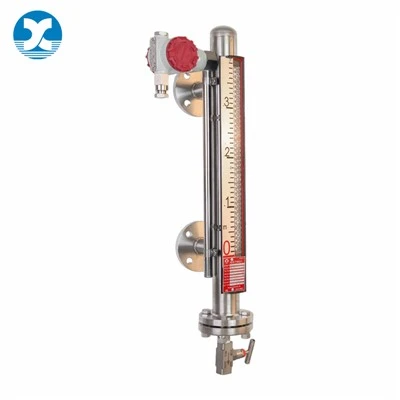
| Displacer Float Level Gauge | Prone to jamming from viscous crude, spring fatigue and corrosion from sour medium | Monthly field inspection & spare part replacement |
| Ultrasonic Level Sensor | Severe signal loss under hydrocarbon vapor and thick tank foam | Bi-weekly transducer surface cleaning |
| Capacitance Level Probe | Residual oil buildup changes dielectric value leading to persistent reading drift | Monthly full probe deep cleaning |
Frequent breakdown and high recurring maintenance expense of these traditional instruments force most global energy operators to phase out old equipment and upgrade to radar measurement solutions.
7. Key Procurement & Installation Tips for Oilfield Radar
Two easily overlooked specification details directly determine long-term onsite operating stability and avoid unnecessary post-purchase losses for buyers: First, confirm matching explosion-proof certification according to local hazardous area zoning; different project territories enforce ATEX, IECEx or CSA respectively. Never cut upfront budget by purchasing non-explosion-proof ordinary radar for classified explosive zones, which will lead to instrument rejection during site safety acceptance. Second, reserve a 15%–20% safety margin on rated temperature and pressure above peak actual process parameters to cope with transient parameter surges during equipment startup and raw material switching. Avoid installing radar directly above tank feed nozzles to reduce liquid splashing and turbulent interference.
8. Frequently Asked Questions (FAQ)
Q1: Can radar accurately read oil-water interface inside crude separators?
Yes, guided wave radar is the industry's preferred option for separator interface measurement thanks to obvious dielectric gap between crude oil and water. Conventional non-contact radar cannot capture layered thick interfaces reliably and is not recommended for such critical measuring locations.
Q2: Does crude oil mist buildup on antenna degrade long-term measurement accuracy?
Light crude mist barely affects microwave transmission. For heavy crude prone to frequent splashing, pairing radar with an air purge accessory keeps the antenna permanently clean and stabilizes long-term measurement data.
Q3: Is explosion-proof radar mandatory across all oilfield measuring points?
Certified ex-rated radar is compulsory for all measuring positions inside Class I hazardous production areas. Standard non-ex radar is only permitted for open-air atmospheric tank yards outside defined hazardous process boundaries.
Q4: Can standard radar operate reliably on cryogenic LNG storage tanks?
No. Only custom cryogenic radar fitted with PTFE composite sealing and internal thermal insulation works steadily at -162°C; regular silicone gaskets on general-purpose radar crack quickly under ultra-low temperature.
9. Conclusion
The extensive adoption of radar level transmitters in global oil and gas industry stems from its targeted design that perfectly resolves the sector's unique harsh operating challenges. Anti-fouling structure, superior vapor and foam penetration, customizable wide-range environmental rating and standardized explosion-proof certification collectively lower long-term equipment ownership cost for energy enterprises.
Proper model matching based on medium property, process parameters and site hazardous classification maximizes radar service lifespan and measurement stability, cutting unexpected downtime and recurring maintenance expenditure effectively. For procurement teams preparing new oilfield construction instrument sourcing or existing site equipment renovation, well-specified radar brings clear economic benefits throughout the equipment lifecycle.
If you are finalizing radar specification for your oilfield, refinery or LNG project and need customized parameter matching or budget-friendly product recommendations based on your onsite working conditions, reach out to our professional technical team for tailored solutions.
10. References
- Level Measurement Specification for Oil & Gas Facilities, International Society of Automation (ISA)
- Explosion-proof Instrument Application Standard for Hazardous Area, IECEx International Standard Document
- Radar Level Transmitter Oilfield Application Handbook, VEGA Grieshaber KG (2024)
- API Recommended Practice for Tank Inventory Measurement, American Petroleum Institute
- Guided Wave Radar Interface Measurement Field Report, Endress+Hauser Industry Technical Bulletin (2023)